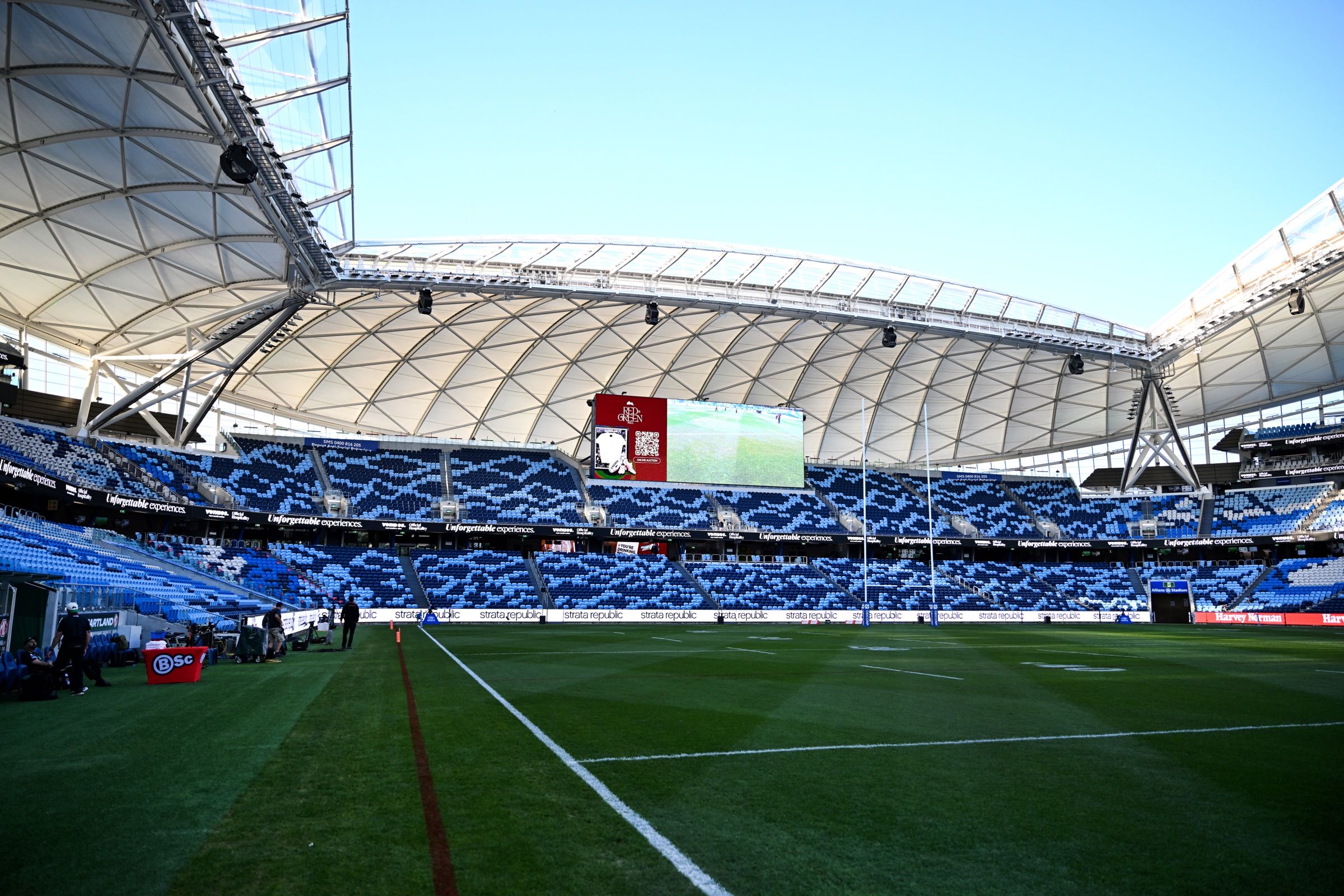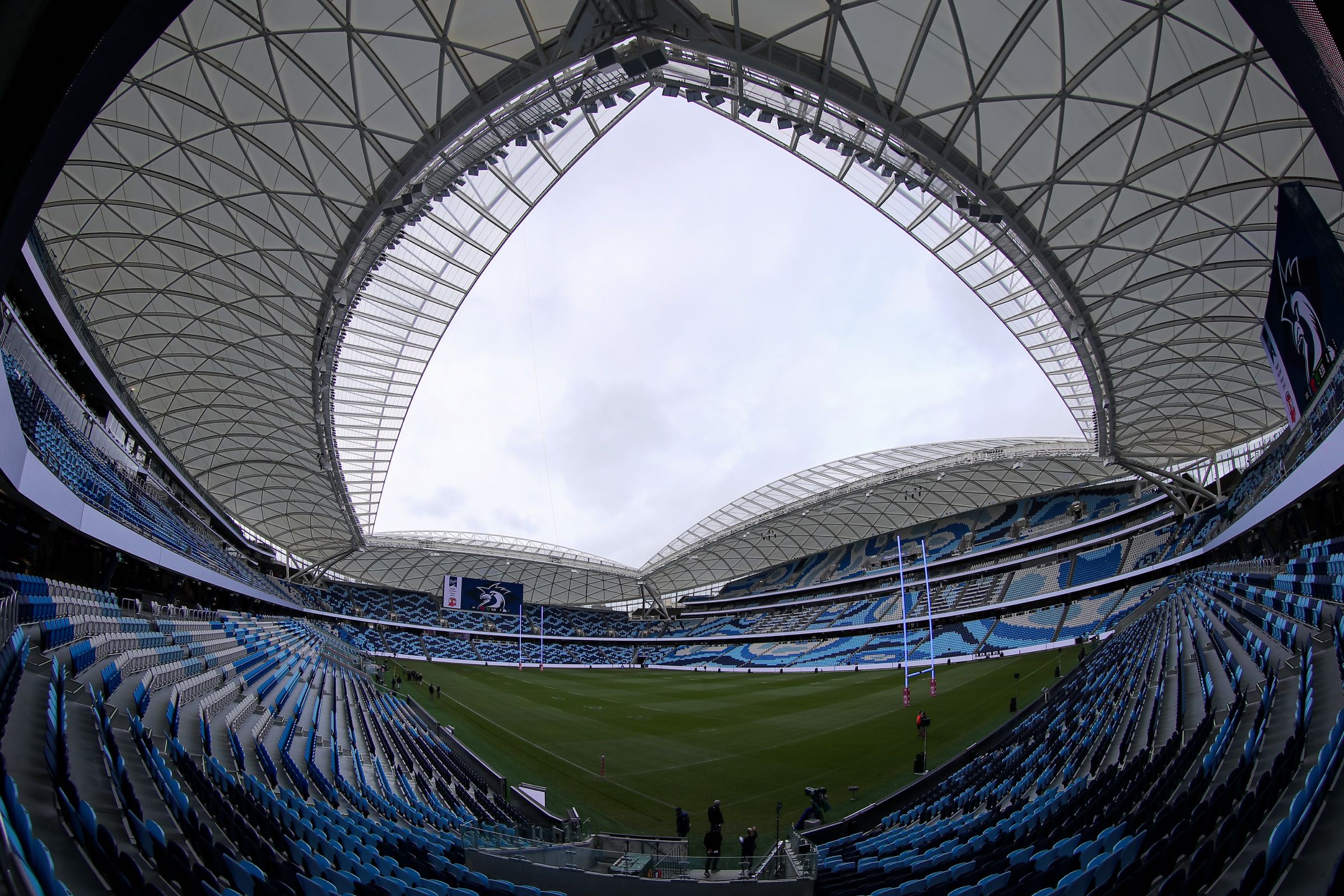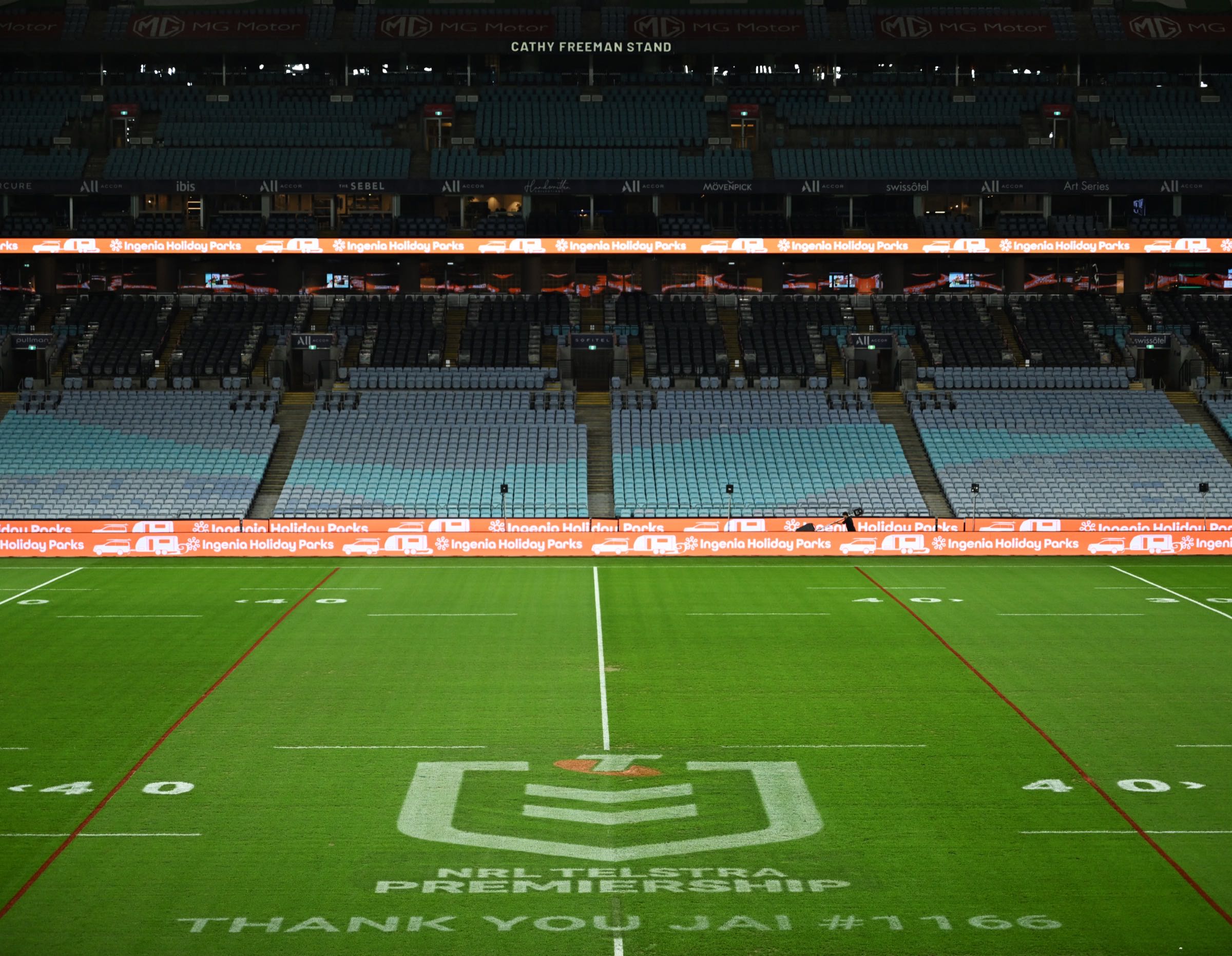
Most brands looking at stadium advertising for the first time come in with one general idea, "signage in a stadium", without knowing there are several genuinely different formats involved, each with a different cost, production process and audience. We produce content for the LED formats specifically, but it's worth understanding where that sits relative to everything else on offer.
Static perimeter signage
The simplest and oldest format: a printed board or vinyl banner fixed to the perimeter fence, showing one message for the life of the installation. It's a fixed cost for a fixed, permanent message, no production beyond the initial artwork and print. It suits a single sponsor wanting a permanent, always-on presence rather than a rotating campaign.
LED ribbon boards
A digital version of the same perimeter position, an extremely wide, thin strip of LED screen running the length of the sideline or try-line. Because it's a screen rather than print, several brands can rotate through the same physical space across a game, and the creative can change between fixtures without touching any hardware. This is the format we actually design and produce content for, built at the venue's exact technical spec rather than a generic video squeezed to fit.
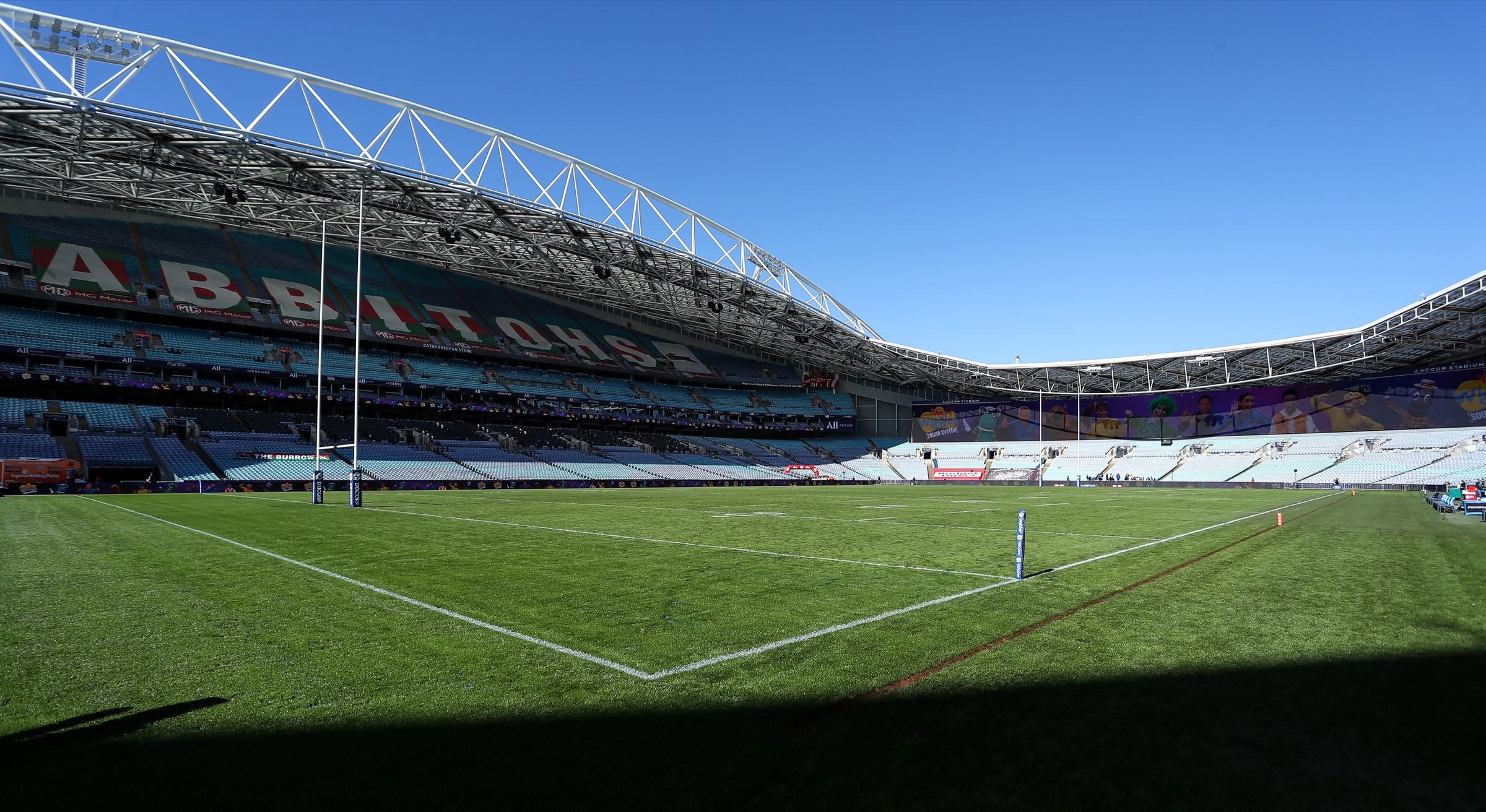
Big screens and video boards
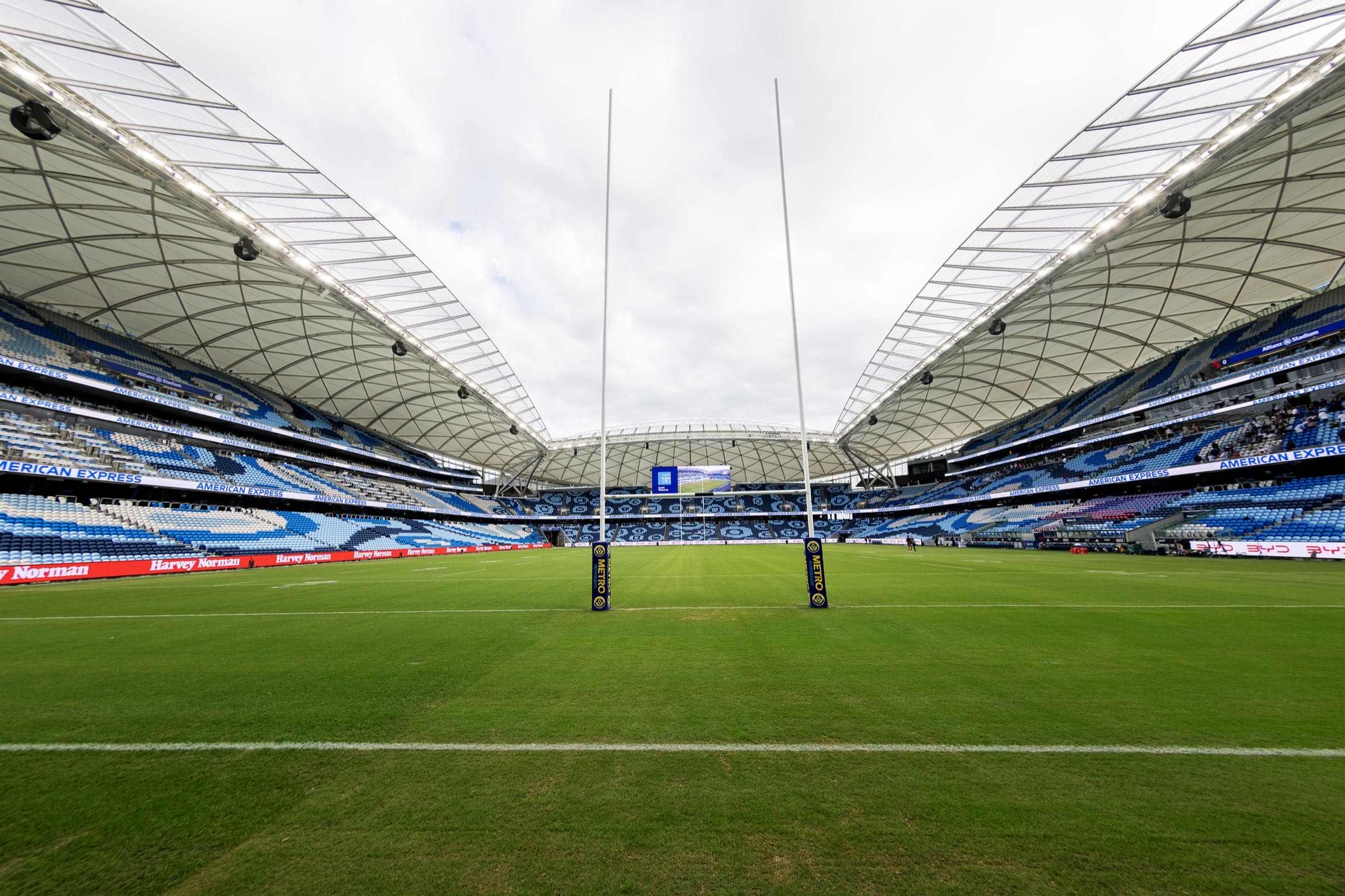
The large screens used for replays, sponsor stings and crowd content. A different format again, closer to a short television commercial than a ribbon board, with its own aspect ratio and a much shorter, punchier runtime since it's competing with live play for attention rather than sitting in the background of it.
Where the actual work is
For LED ribbon-board content specifically, the job isn't filming inside the stadium, it's designing and building the content itself: type oversized enough to read at that ratio, a logo that survives being cropped, and a loop timed to make sense against the run of play. We handle that build end to end, confirm the venue's exact technical spec before production starts, and deliver files ready to load directly into the venue's system.