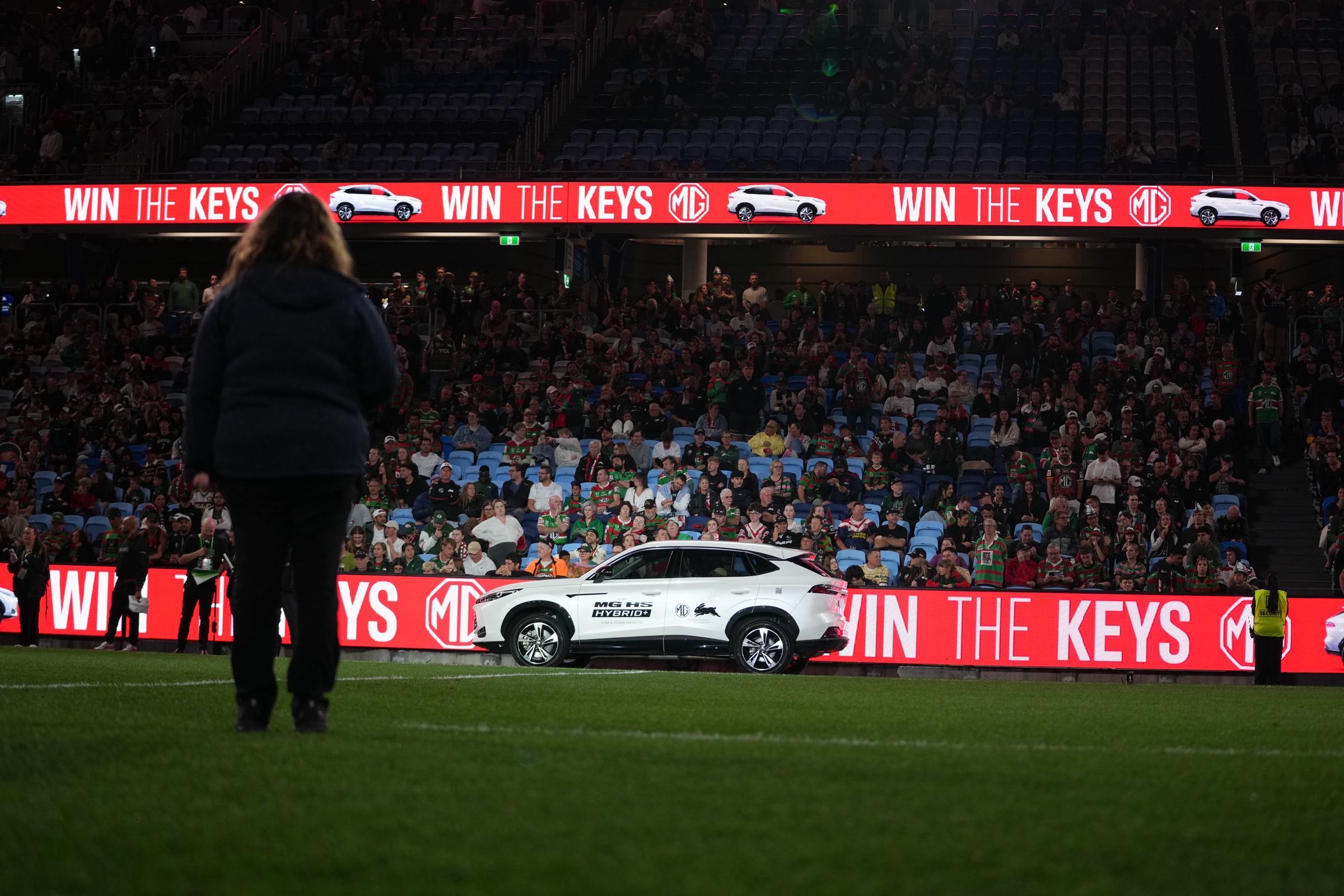
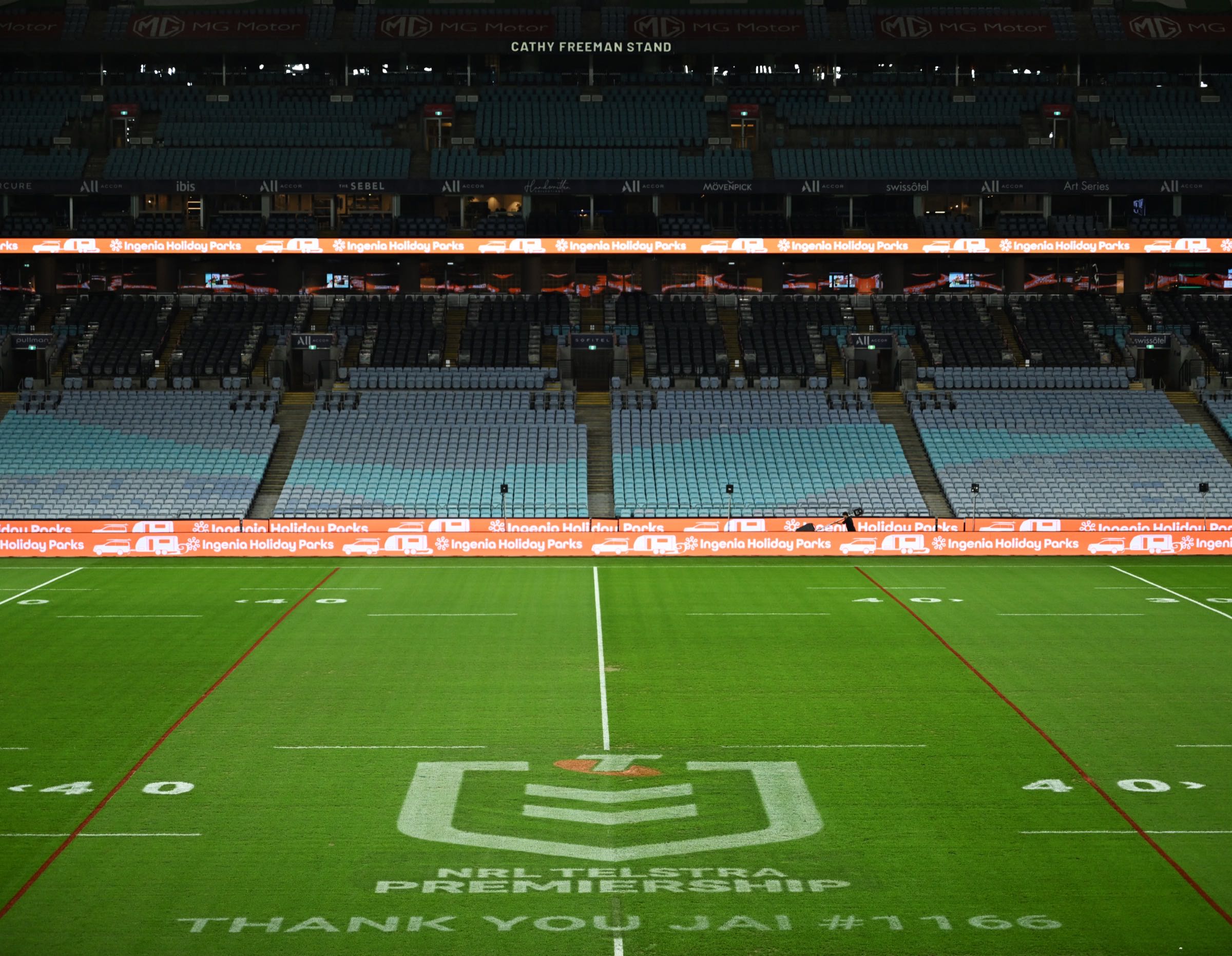
Anyone opening an LED ribbon-board file for the first time notices the same thing: the aspect ratio looks wrong. A perimeter ribbon board is an extremely wide, extremely thin strip, nothing like a normal video frame. That single fact shapes almost everything else about how this content gets designed, built and delivered.
The format is the constraint
A perimeter board runs metres wide and only a fraction of that in height. Type has to be oversized and simple to read at that ratio, logos need to work cropped since a camera or a viewer's eye rarely takes in the whole strip at once, and any repeating pattern has to tile cleanly so a partial repeat at either edge still reads. Standard video or motion graphics work doesn't translate directly, the creative has to be built for this shape from the start, not resized into it afterwards.
What we need to get started
The brand's logo and colours, the message or offer if there is one, and the venue and fixture it's running at, since that affects both the specific technical format required and the timing of when the content needs to be delivered by. From there we handle the design and build of the actual LED content, not just a generic video that gets squeezed to fit.
Delivery and turnaround
Stadium LED systems have fixed technical requirements, exact pixel dimensions, frame rate and file format, that vary by venue and by the system running the boards. Getting these wrong means content that doesn't play at all, so confirming the venue's spec before production starts is a standard part of the job. Once approved, files are delivered ready to load directly into the venue's system ahead of the fixture.
Where we've delivered this
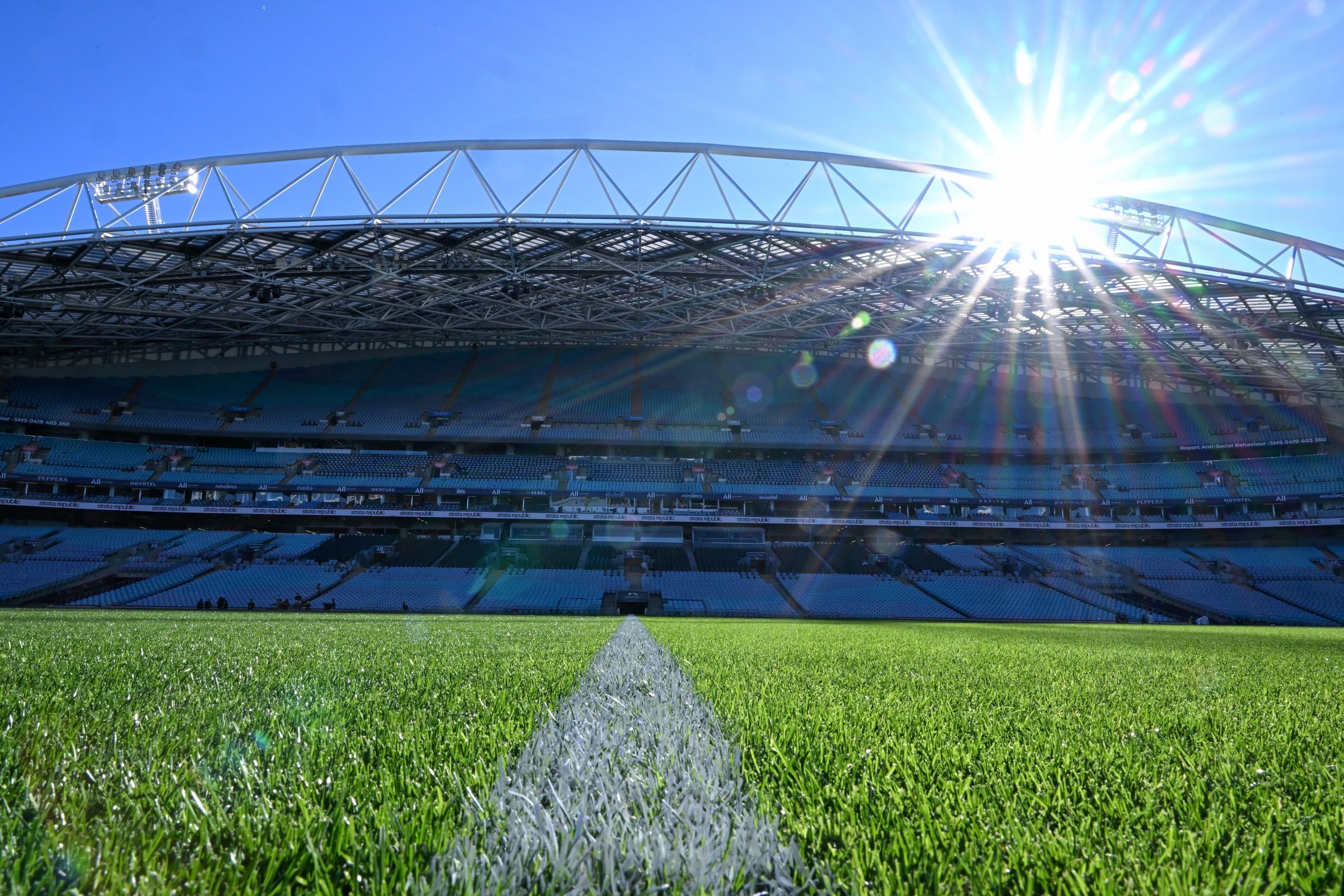
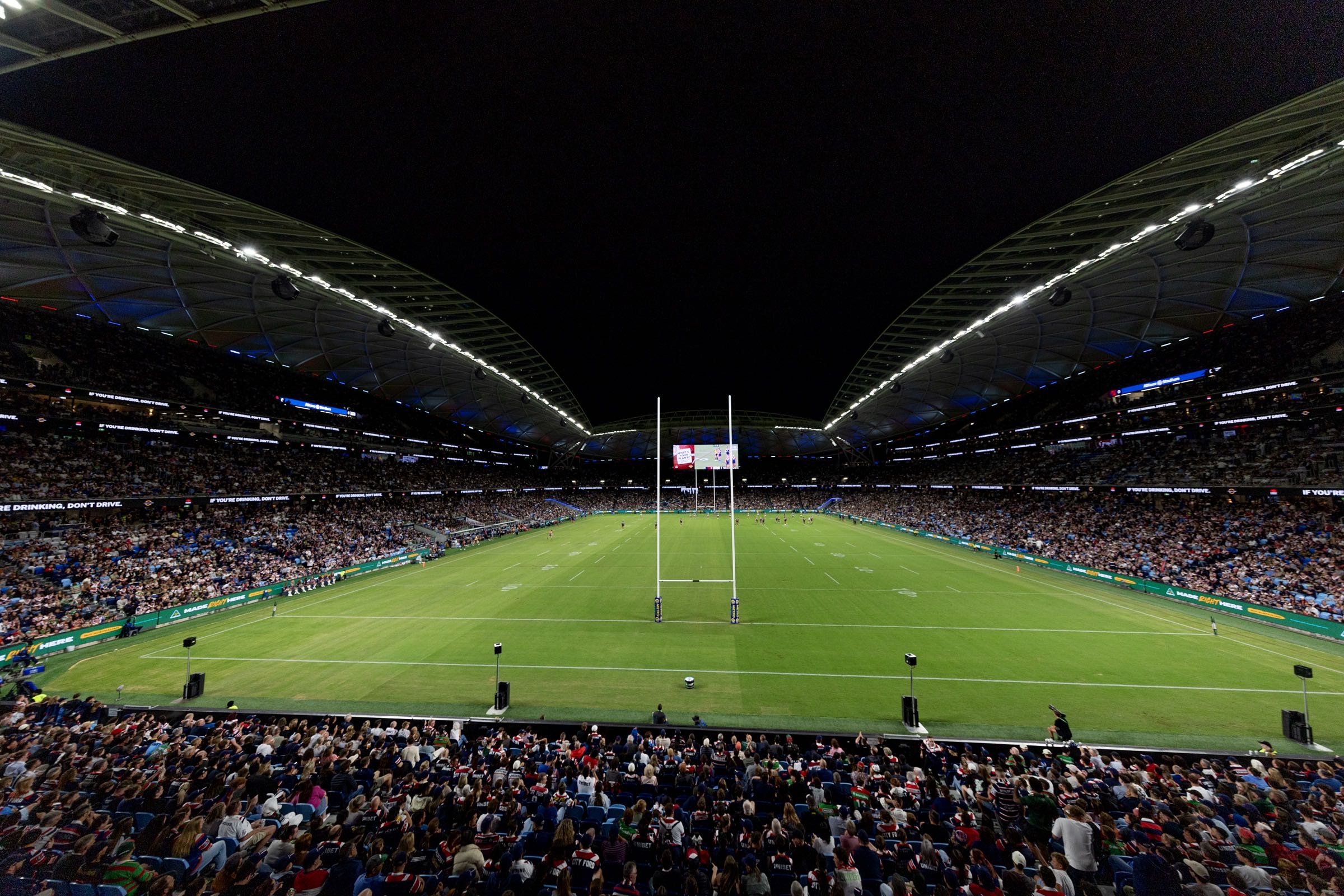
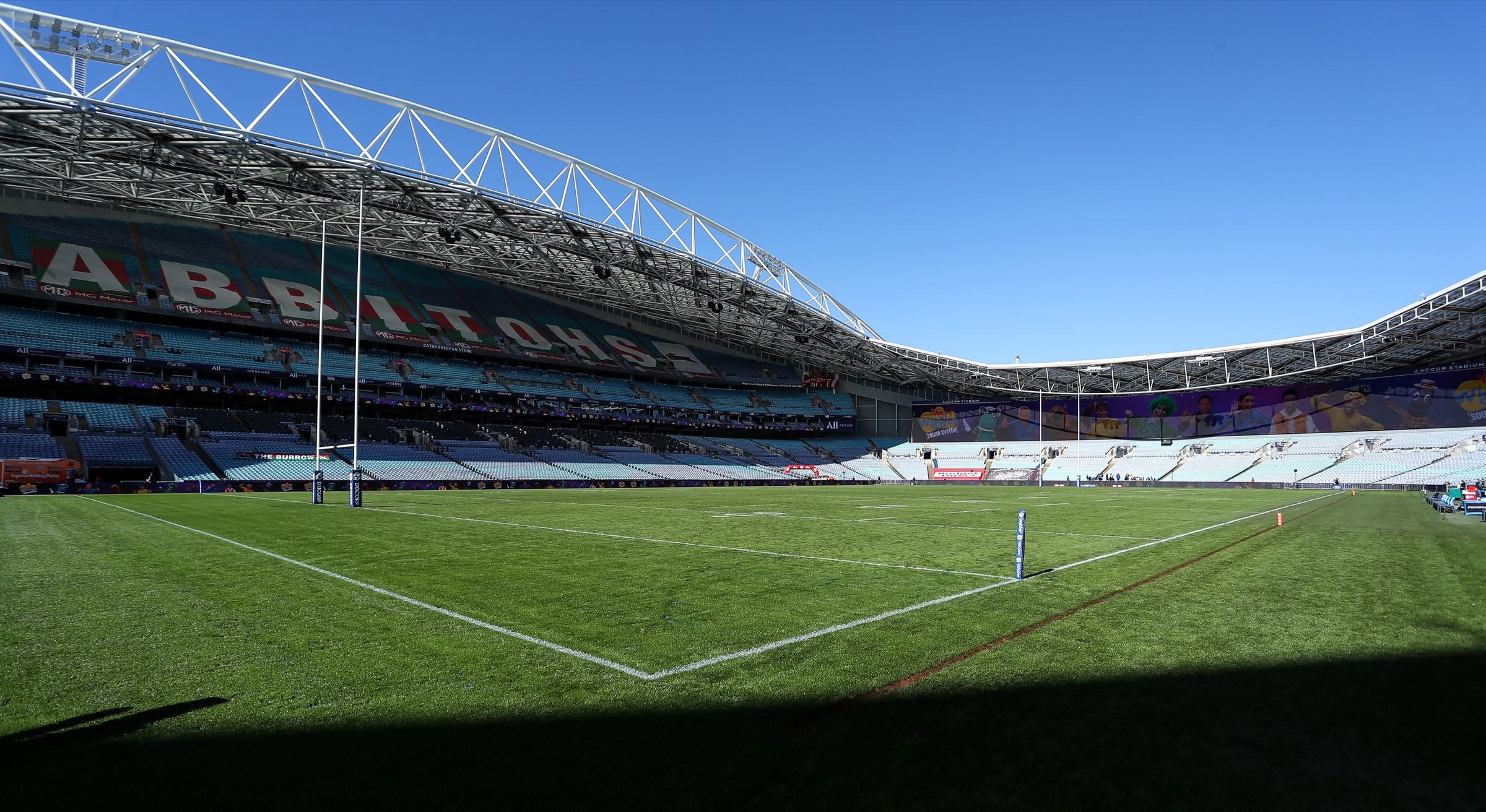
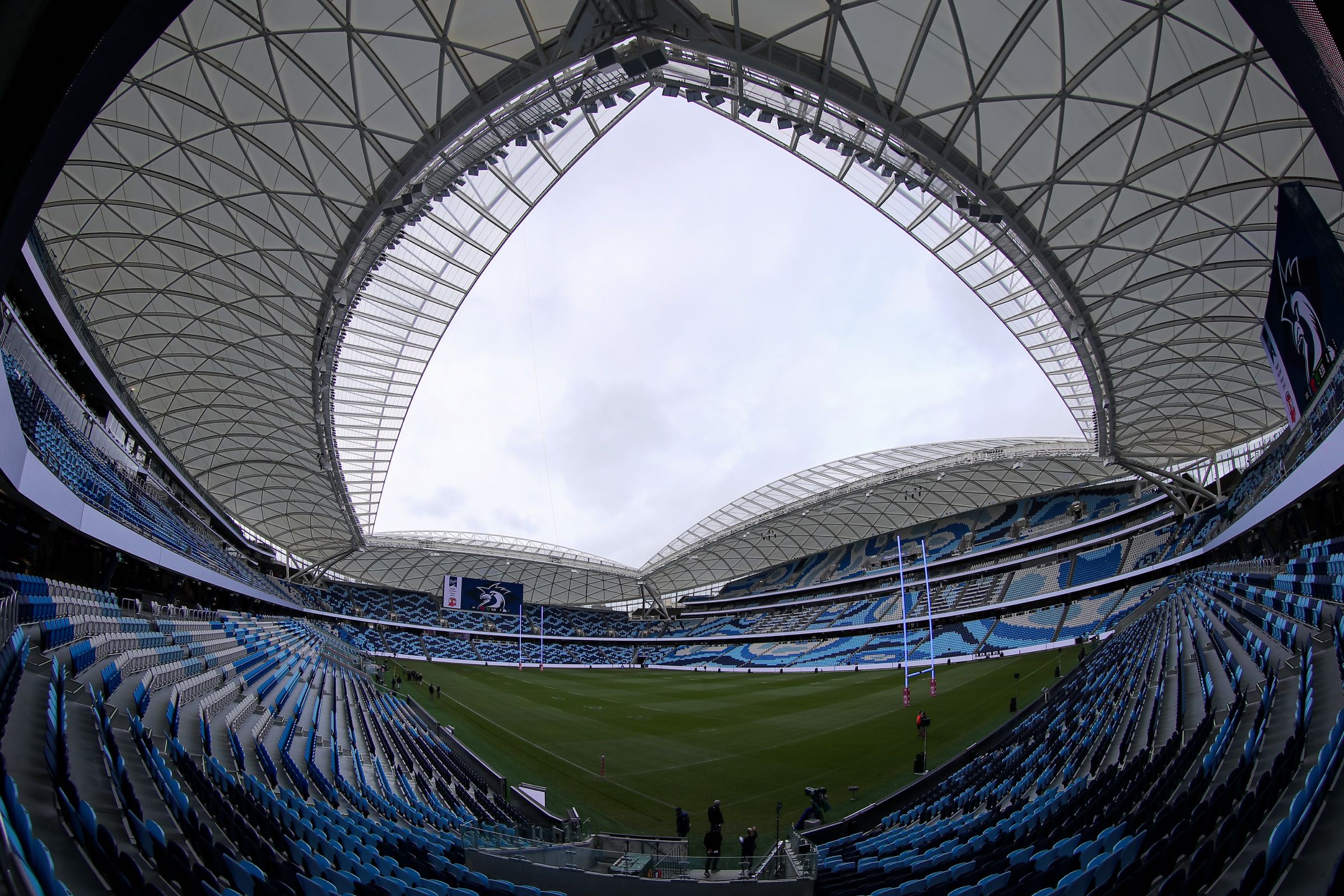
We've produced LED ribbon-board content that has run at Accor Stadium and Allianz Stadium. If you're planning a campaign at either venue, or elsewhere, we can talk you through what the specific format needs to look like before you commit to a creative direction.