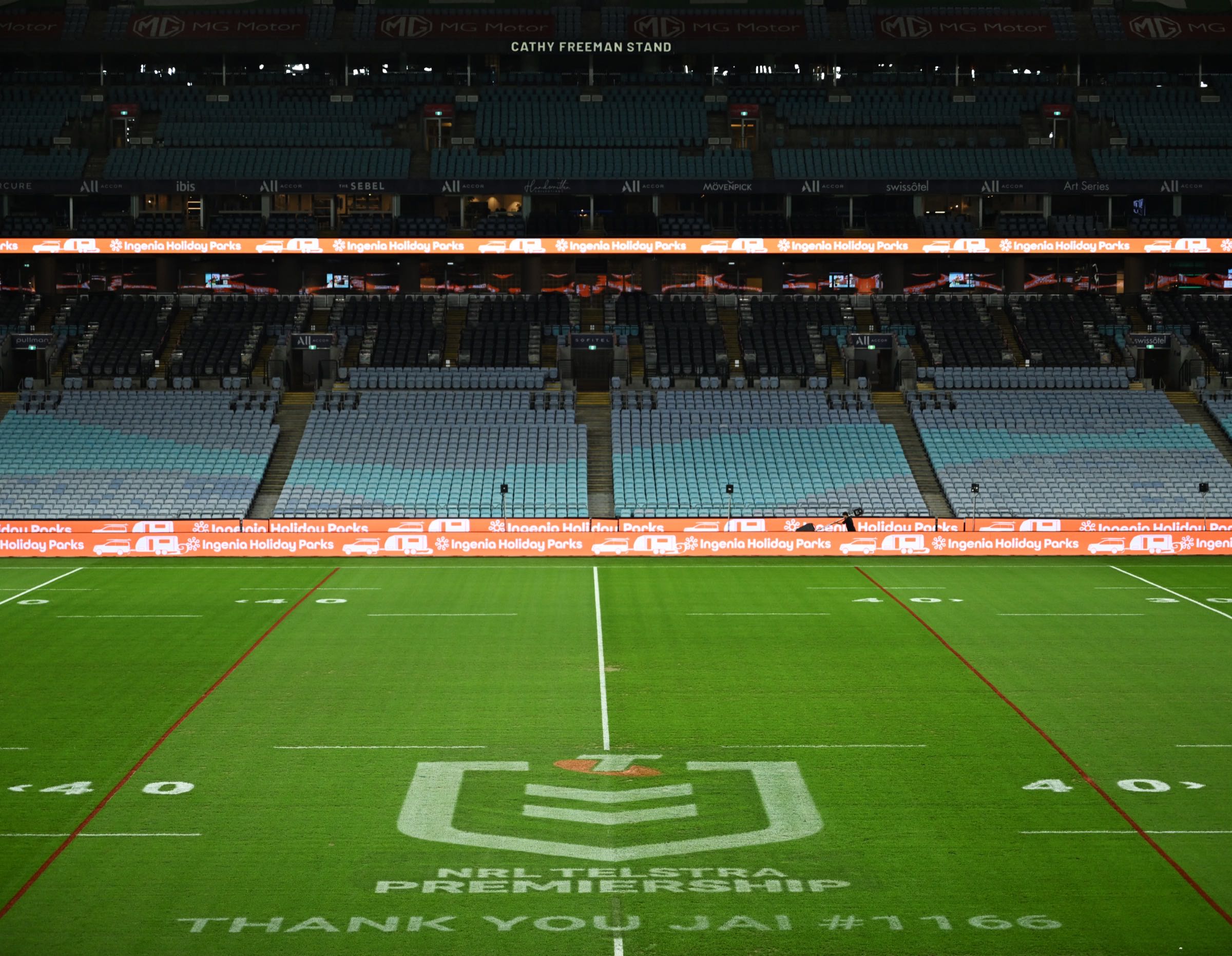
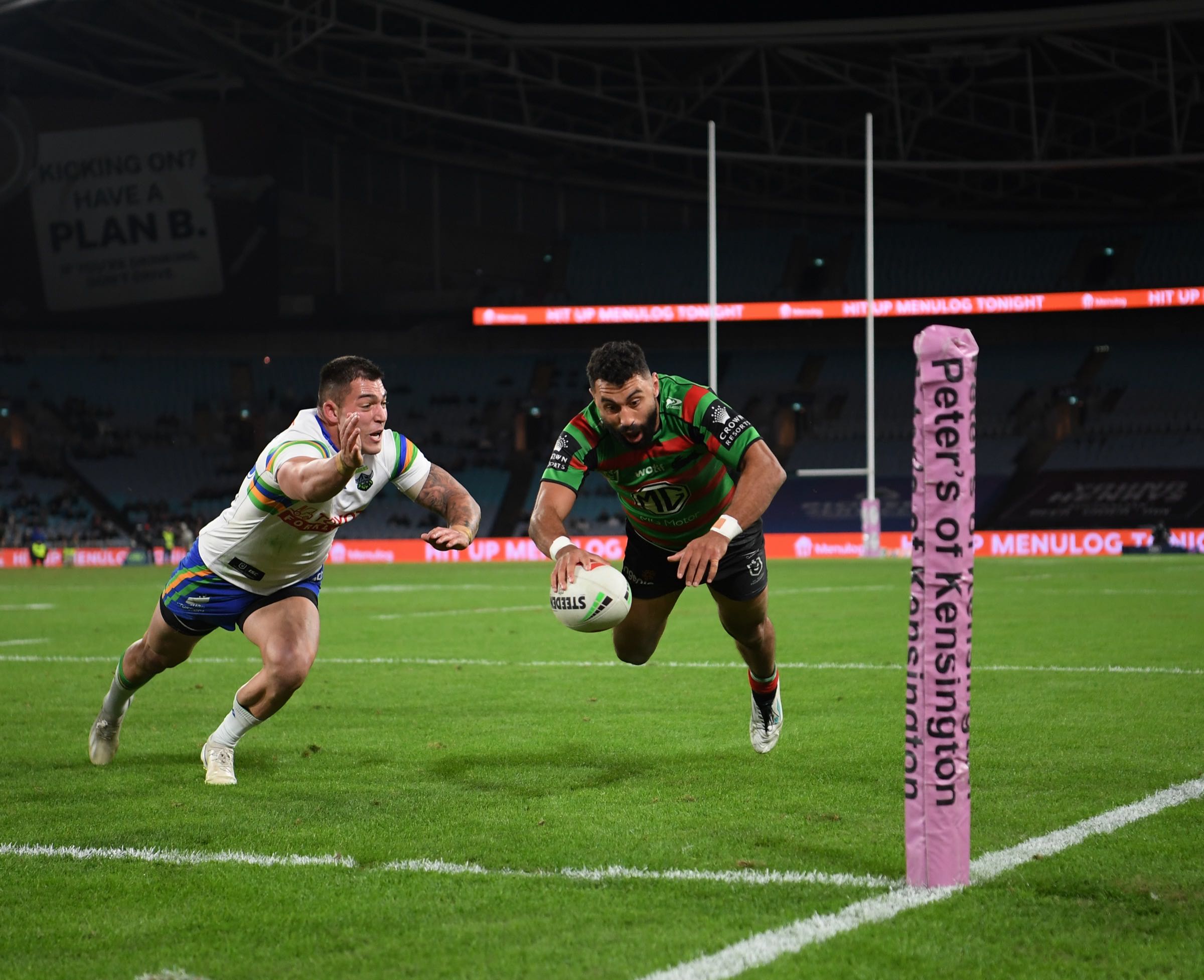
Static signage at a venue is a fixed cost for a fixed message. Print it, install it, and it says the same thing whether the game is a sellout or half empty, whether it's the first minute or the last. An LED ribbon board occupying that same physical run of perimeter can rotate between several brands across the game, which changes the economics for everyone involved, not just how it looks.
More brands can fit in the same space
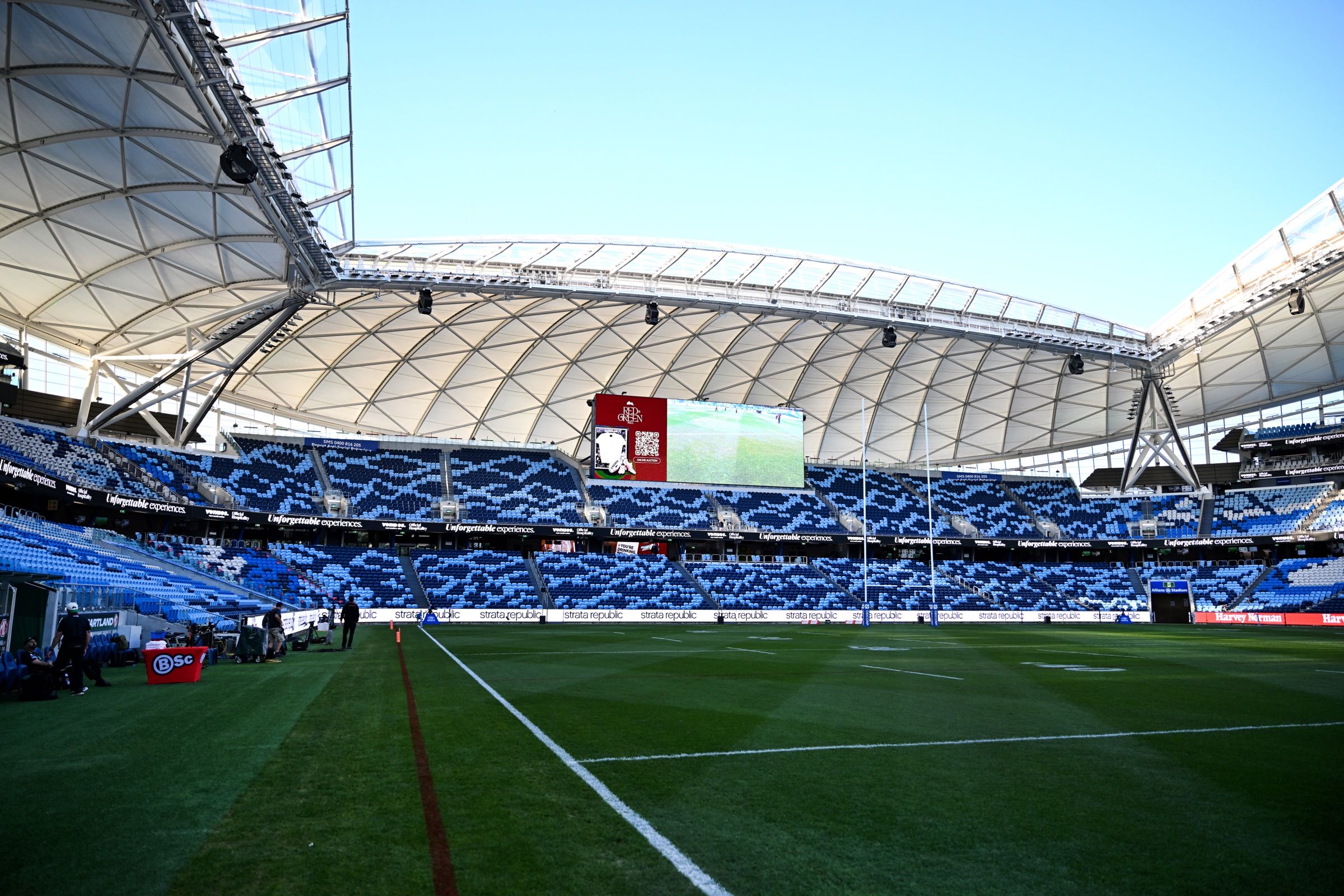
The most direct difference is capacity. One length of static signage is one advertiser for the life of the board. The same length of LED can carry several, each getting genuine screen time rather than a permanent, unchanging slice. For a venue, that turns one sellable asset into several. For a sponsor, it usually means a lower cost of entry than buying a static position outright.
Attention behaves differently
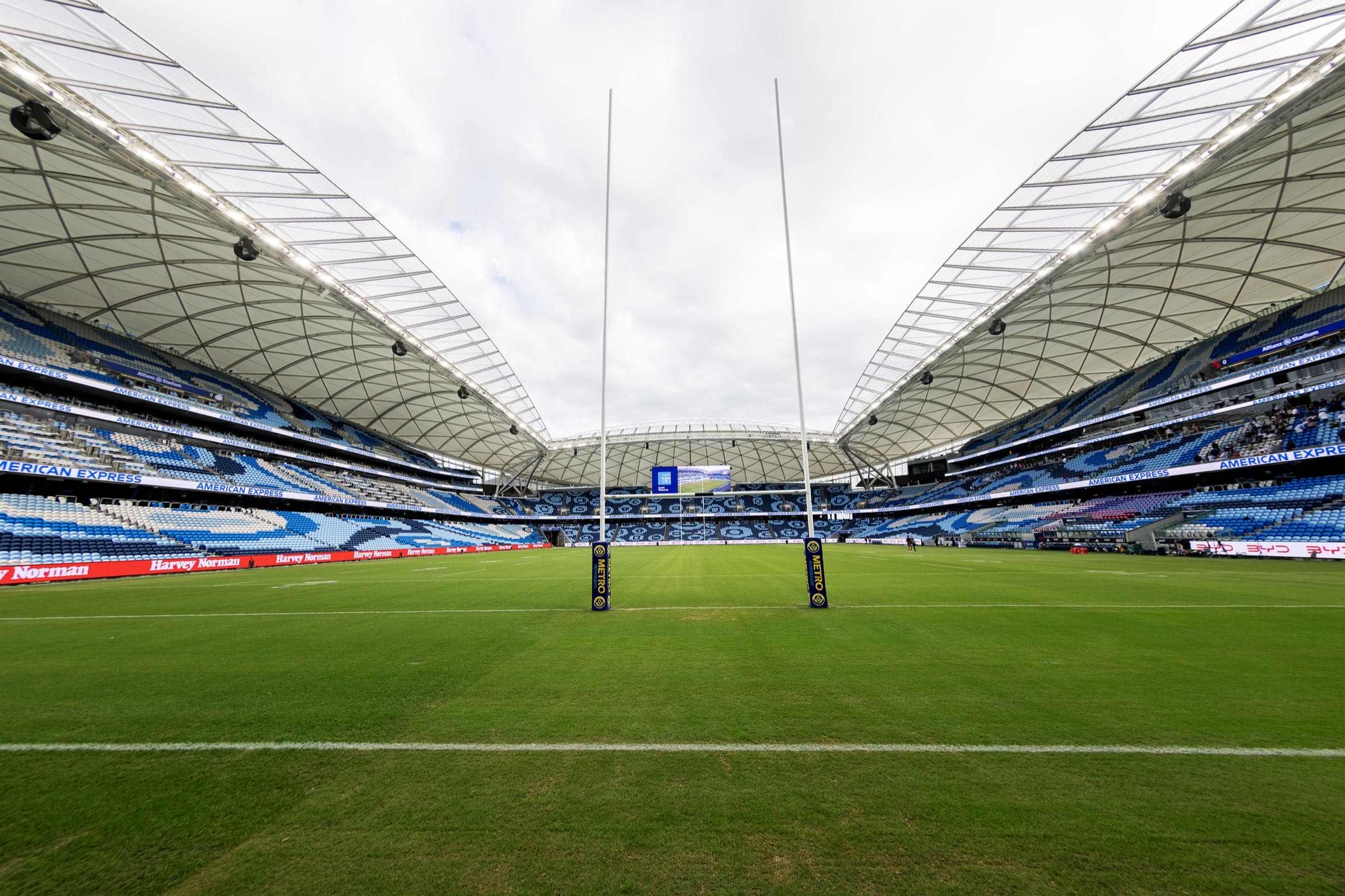
A static sign becomes part of the background almost immediately, the eye stops registering something that never changes. Motion does the opposite, a shift in the board is one of the things a peripheral glance actually catches, even from a crowd that isn't consciously looking at it. That's true for the in-stadium crowd, and it's even more pronounced on a broadcast feed, where a static graphic reads as flat while a moving one reads as current, live content.
Content can change without touching the hardware
Static signage means a physical reprint and reinstall for every creative change, a real cost and a real delay. LED content is a file update. A campaign can run different creative for a finals match versus a regular round, promote a same-day offer, or swap out entirely between fixtures, all without anyone touching the board itself.
Where static still makes sense
None of this makes static signage obsolete. A single, permanent brand position, naming rights on a stand or a tunnel, still has value precisely because it's fixed and always there. The two aren't really competing for the same job, static suits permanence, LED suits reach and rotation.