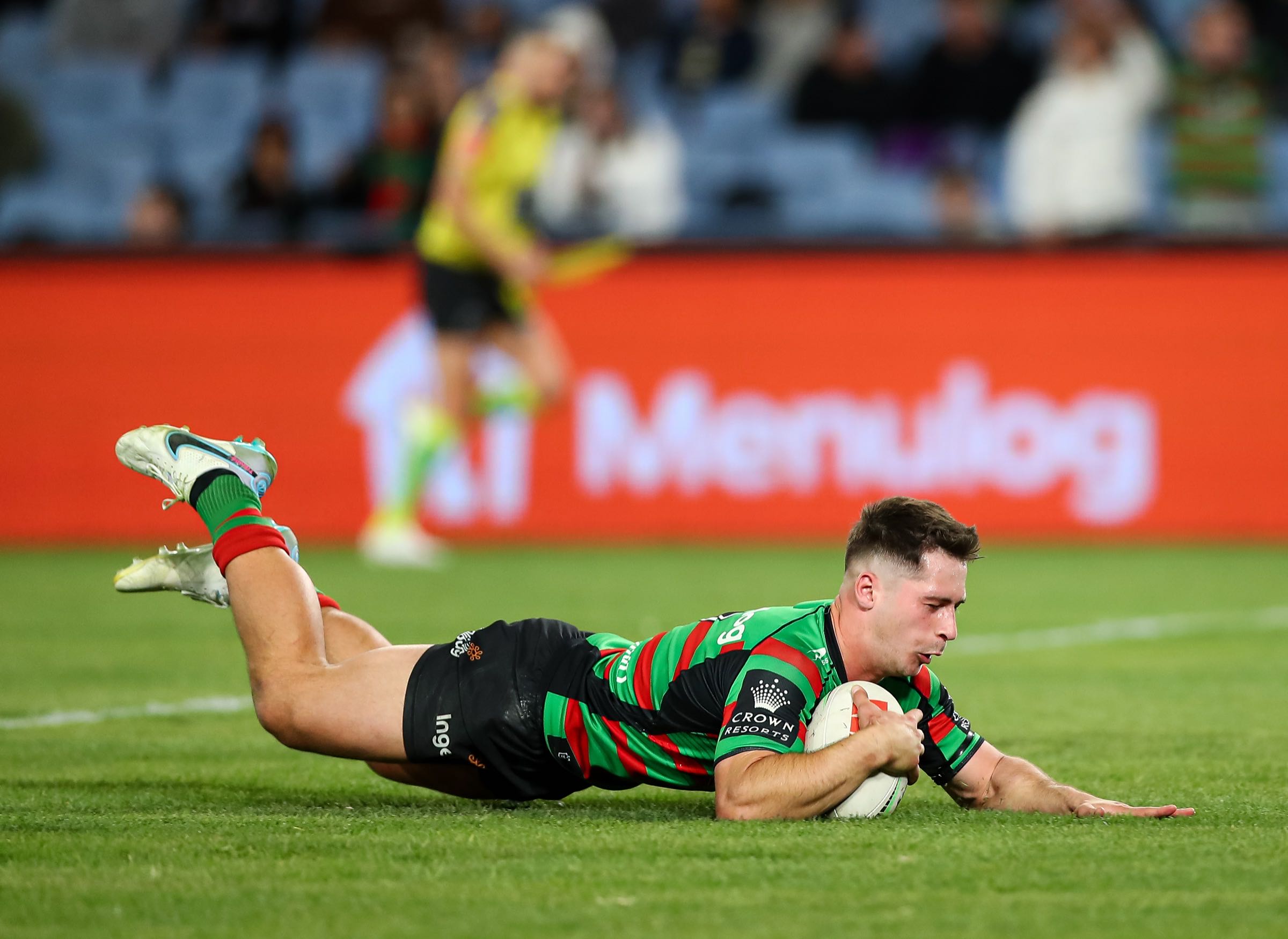
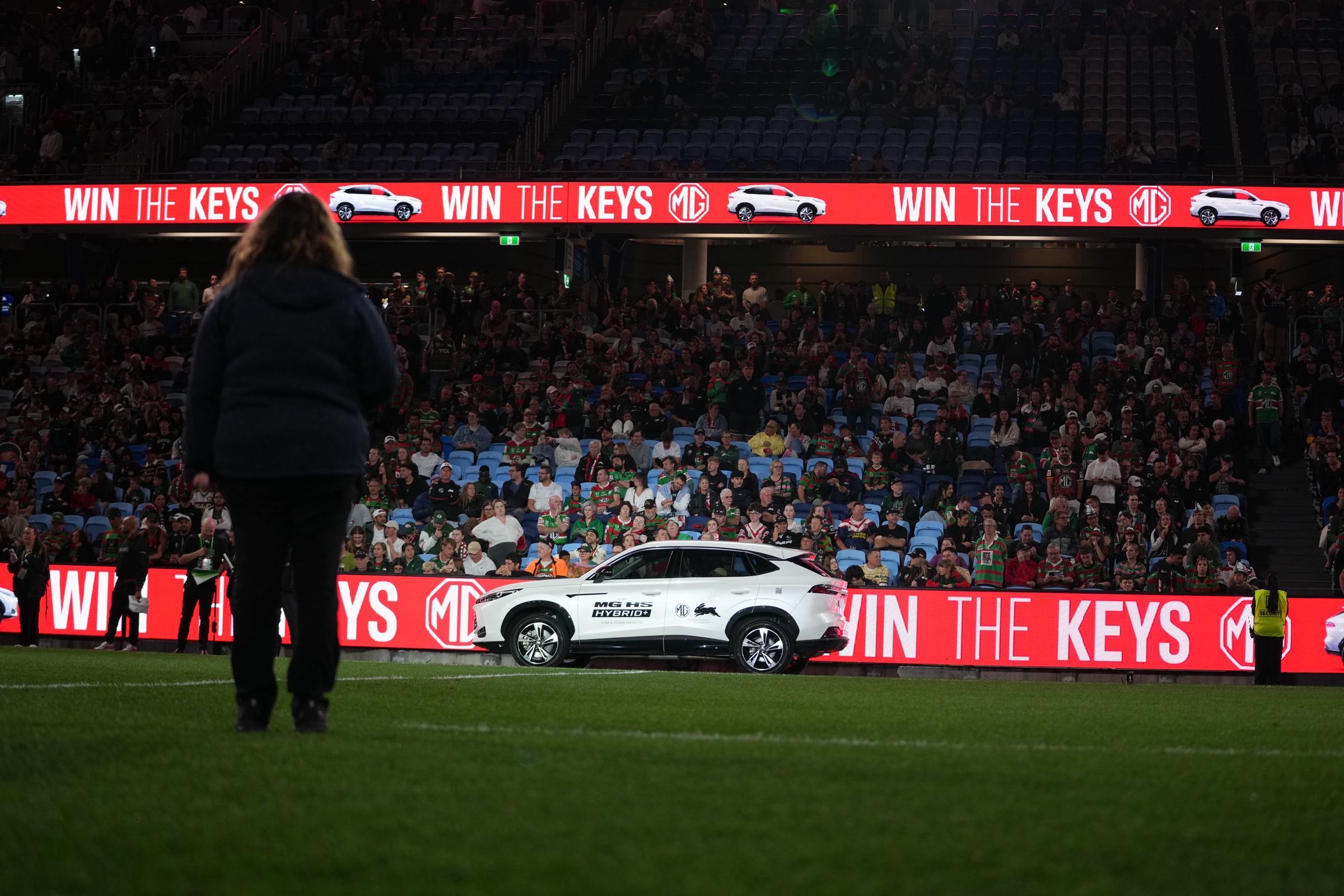
Standing in a stadium, an LED ribbon board reads as one continuous strip running around the field. On a broadcast camera, it's almost never seen that way. The camera is angled, cropped by the shot, partially blocked by players and the boundary fence, and only on screen for the seconds a particular camera happens to be live. Content built to look good from the stands doesn't automatically work under those conditions, and that gap is where a lot of stadium signage budget quietly goes to waste.
The audience isn't in the stadium
For most sponsors, the paying crowd in the seats is a fraction of who actually sees the board. The bigger audience is on TV, on a live stream, in replays, and in the short clips that get cut from the broadcast for social afterwards. Every one of those is a different framing of the same physical board. A design that reads clearly at full width in person can lose half its message when a broadcast camera only shows a third of the ribbon at a time.
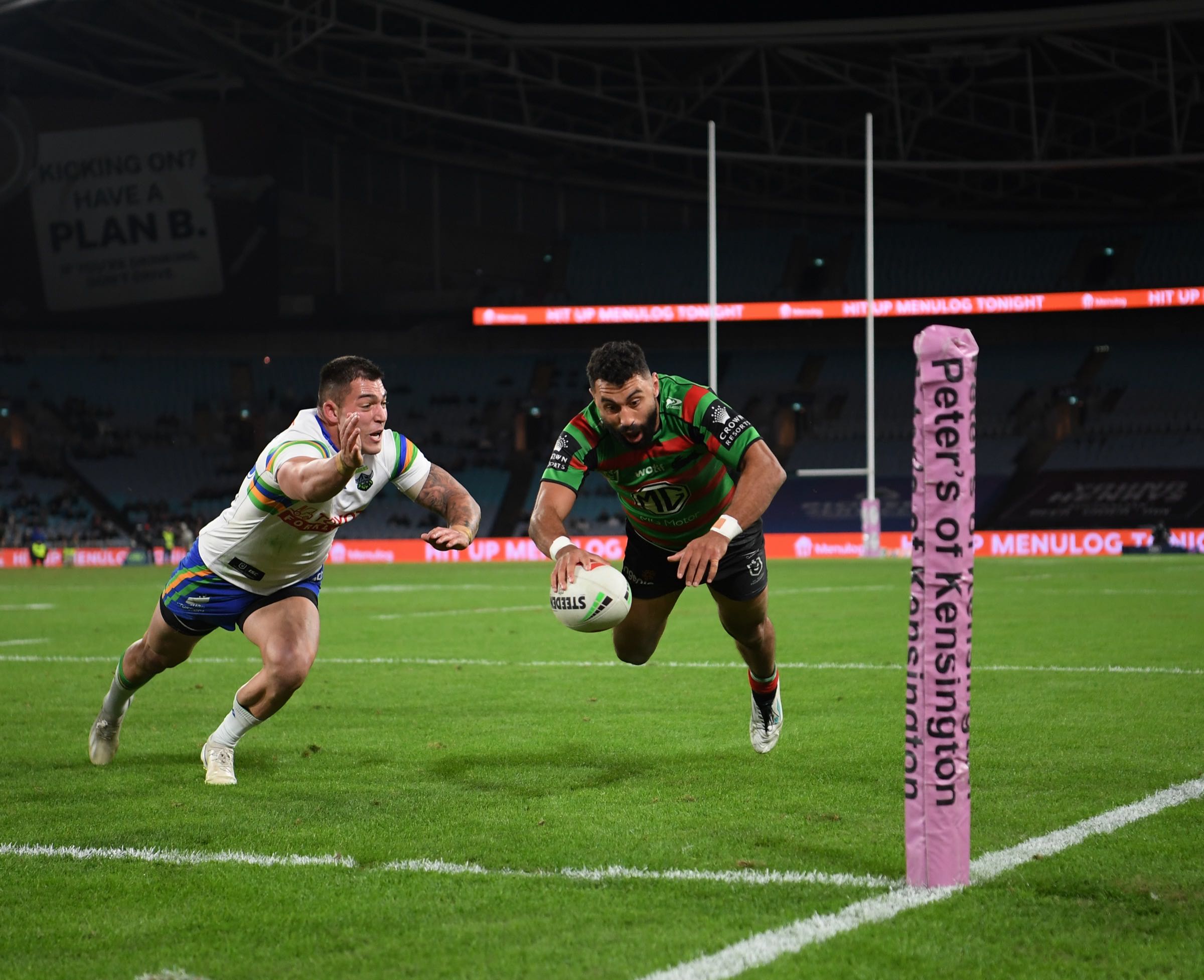
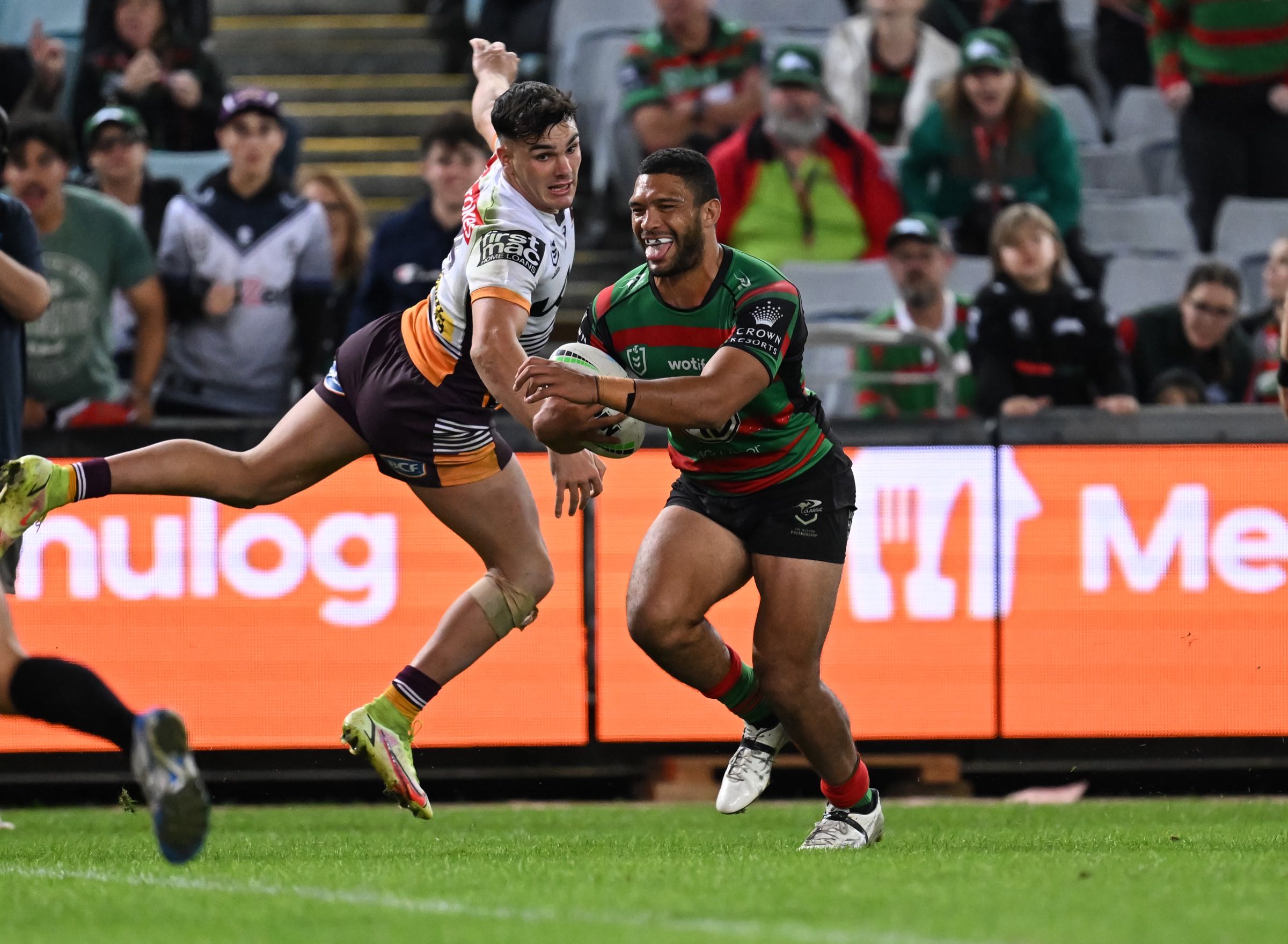
What actually holds up under a camera
The content that survives that cropping shares a few traits: the brand mark repeats often enough that losing part of one repeat still leaves a readable one either side of it, the type is heavy and simple enough to survive compression and motion blur, and the colour contrast is strong enough to cut through broadcast lighting rather than the venue's own house lights. It's closer to designing for a low-resolution, constantly moving crop than a single static poster.
Timing matters as much as the design
A ribbon board usually rotates between several sponsors on a loop. Which slot a brand lands in, and how that lines up with actual play, matters more than most campaigns account for. A message that appears during a stoppage or a replay gets a genuinely different amount of attention than one that cycles through while the ball's in play and every eye is on the field. Planning the loop against the run of the game is a large part of what makes a placement actually earn its exposure.
What we actually deliver
We design and produce the LED ribbon-board content itself, built at the venue's real format and tested for how it holds up cropped, compressed and in motion, not just how it looks as a still. We've delivered this for brands at Accor Stadium and Allianz Stadium.