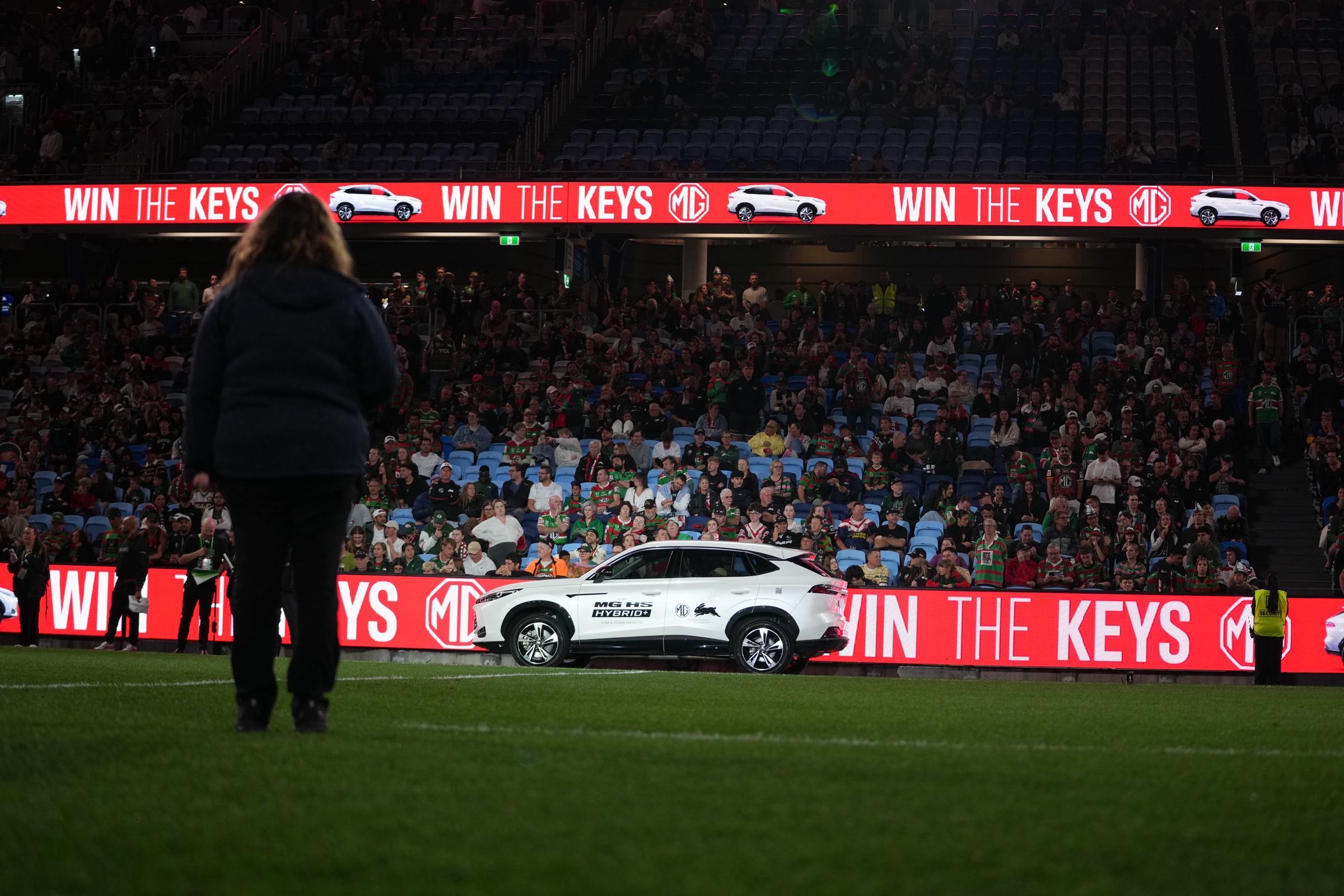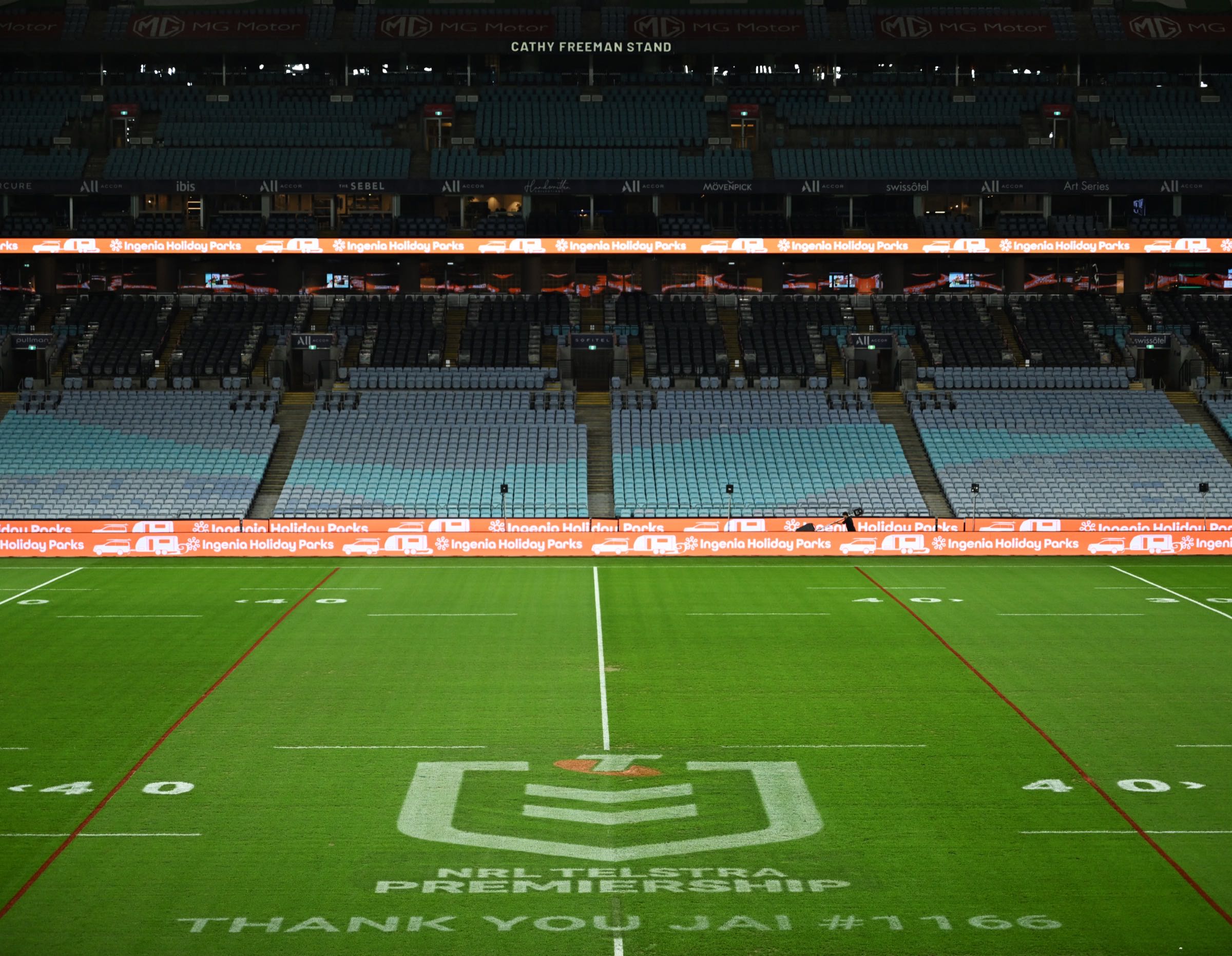
Sponsors who haven't bought stadium signage before tend to picture the audience as the people in the stadium that day. In practice, that's the smallest slice of who actually sees the board. For a televised NRL fixture, most of the audience is watching from a screen somewhere else entirely, and that changes what actually makes a placement worth paying for.
The broadcast feed is the real audience
Between the live TV broadcast, streaming, and the highlight and try clips that get cut and shared after the game, a sponsor's board gets seen by people who were never inside the venue, repeatedly, across different formats, well after the final whistle. A board built only to look good from row 20 is missing most of the actual reach it's paying for.
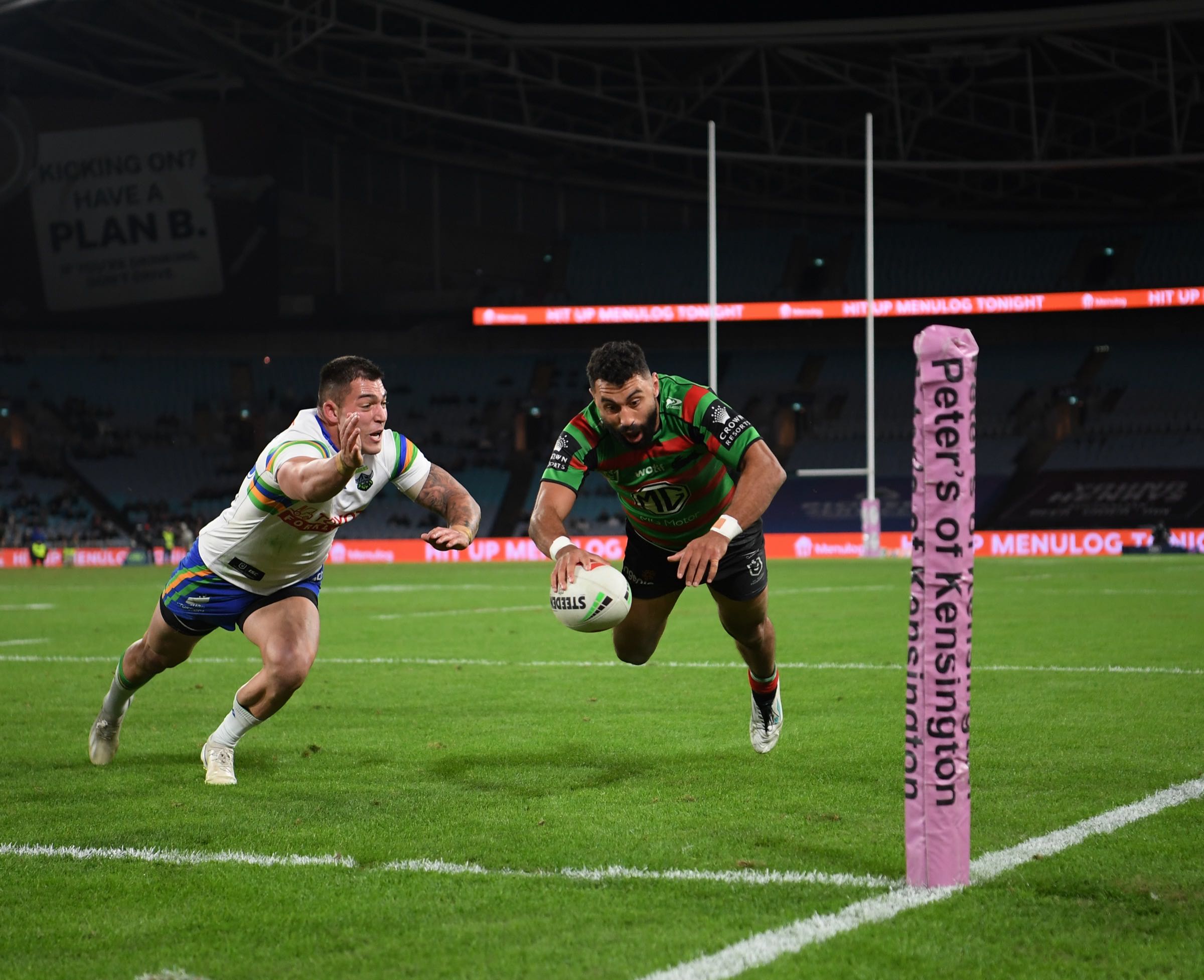
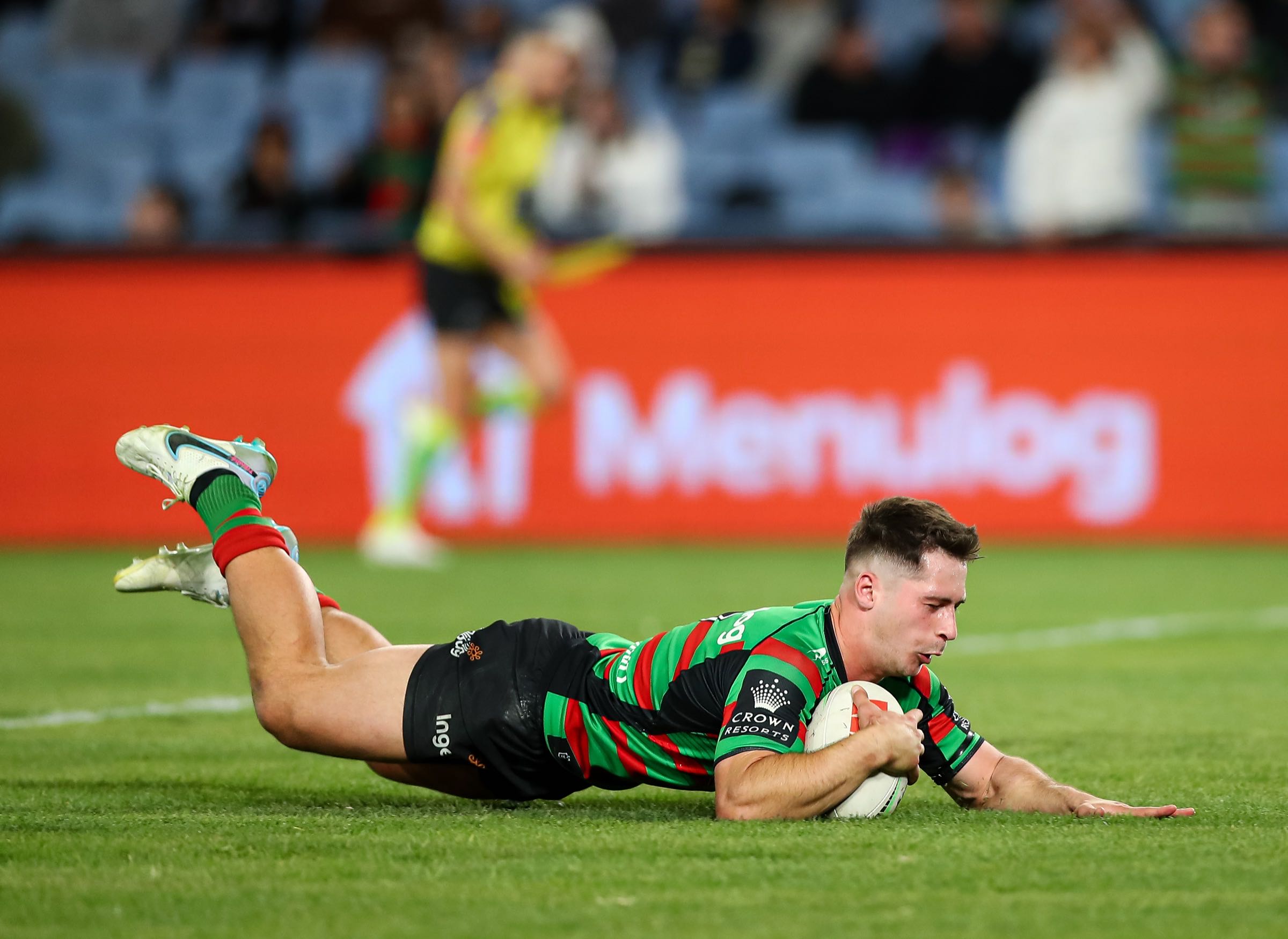
The best moments to be on board aren't random
A try, a big tackle, a replay, these are the moments a camera lingers on, and whatever's on the perimeter board behind that moment gets seen again every time it's replayed or clipped for social. This is why the loop timing of an LED campaign matters as much as the design itself, being on screen during a stoppage is a very different amount of exposure to being on screen when the ball's in play and every camera in the building is pointed at the same spot.
Why this matters more for national codes
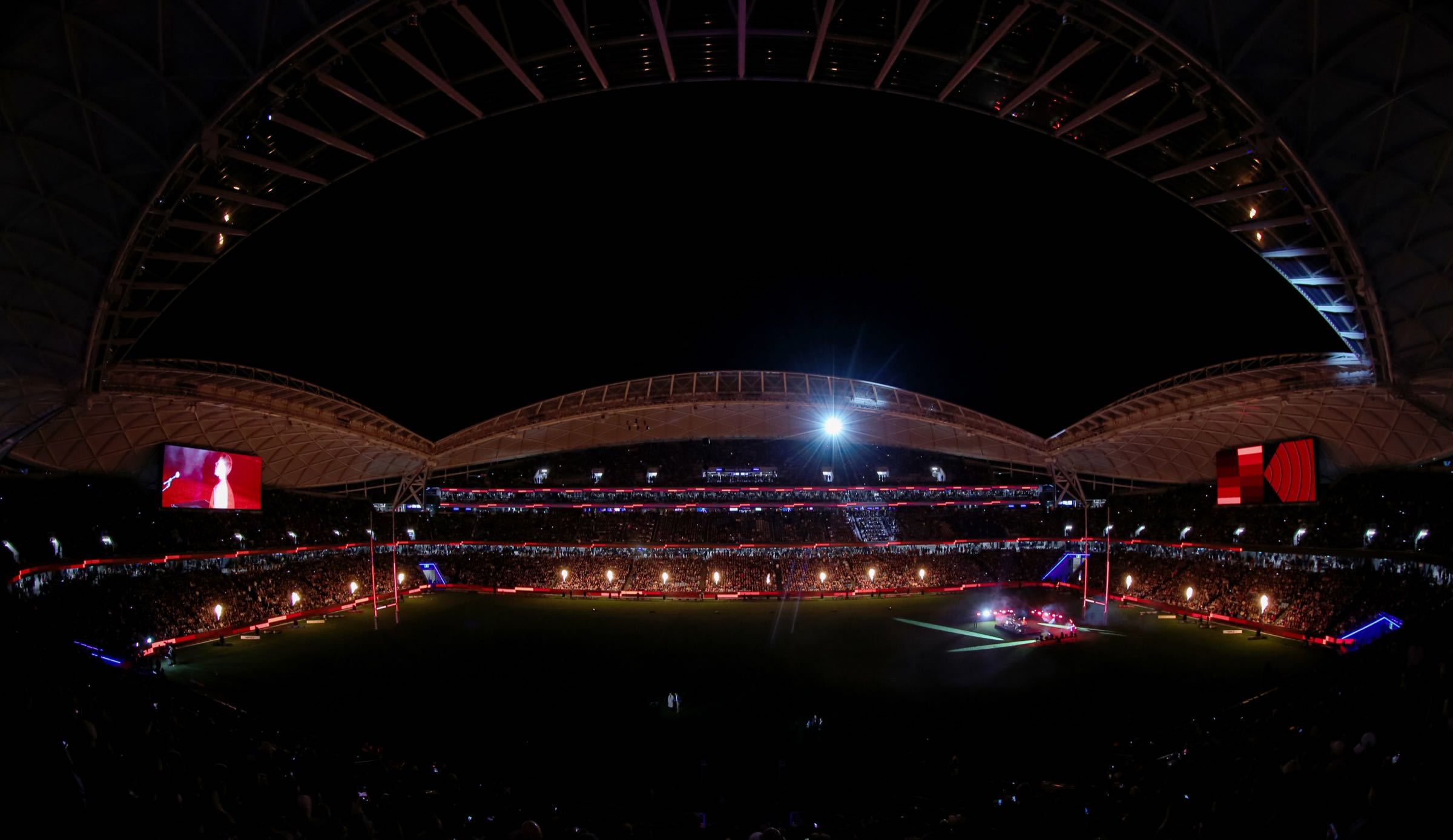
For a code like the NRL, with fixtures broadcast and streamed nationally every round, the gap between the in-stadium crowd and the broadcast audience is largest of all. A sponsor buying a board at Accor Stadium or Allianz Stadium isn't really buying exposure to that day's crowd, they're buying a repeating slot in a broadcast that reaches well beyond Sydney, every time that camera angle is live.