Why Every Construction Project Needs Drone Footage
Ground-level photos show a site. Aerial footage shows the job. Here's why that difference matters for how a construction or trade business actually markets itself.
Most construction and trade businesses have a folder of site photos somewhere, taken on a phone,
angled up at a building or across a car park. They're fine for a quick update. They don't do much
for marketing. The moment you put a drone over the same site, the story changes: scale becomes
obvious, progress becomes measurable, and a project that looked like "some scaffolding" from the
footpath suddenly looks like the serious operation it actually is.
Scale is the whole point
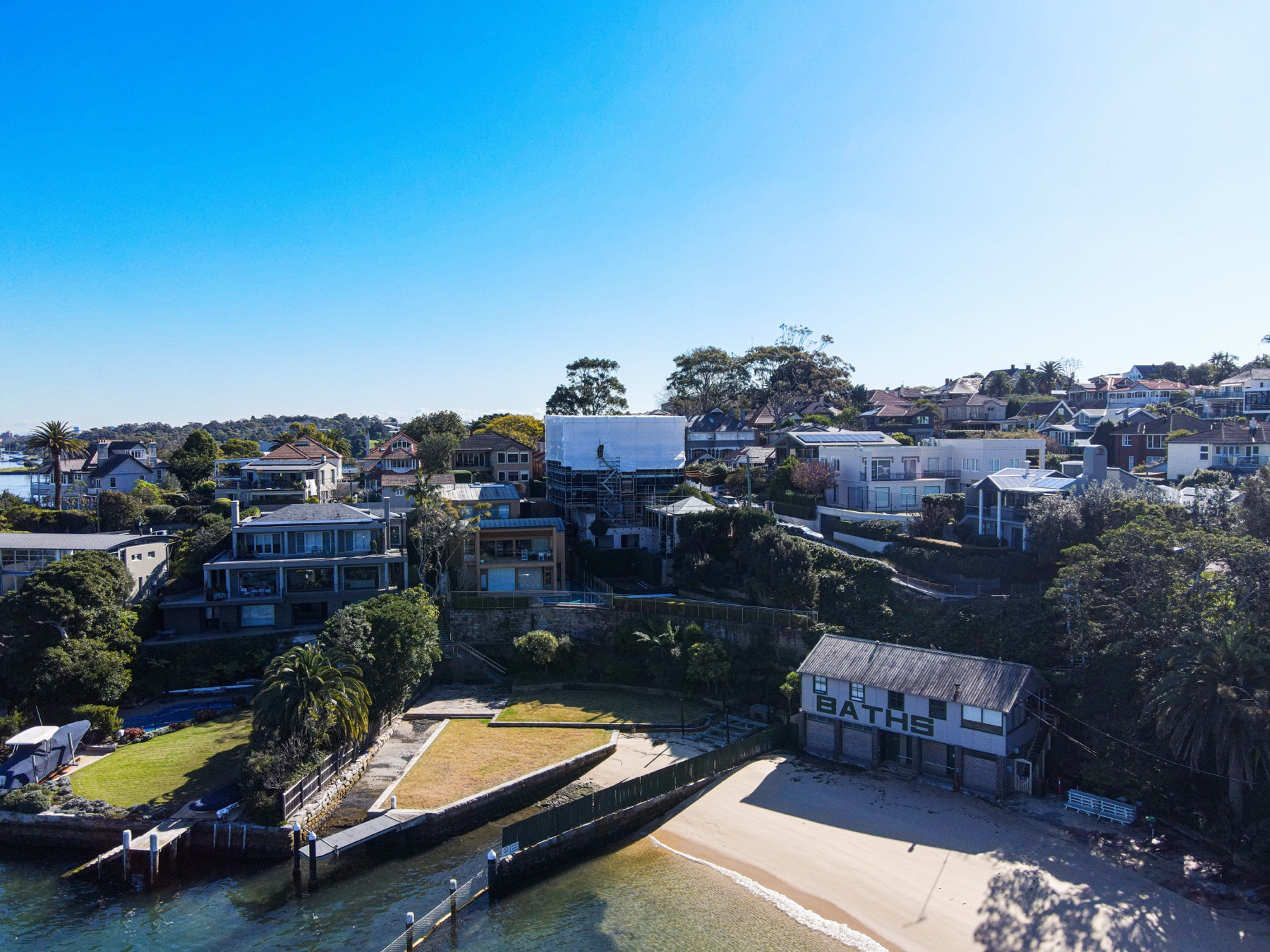
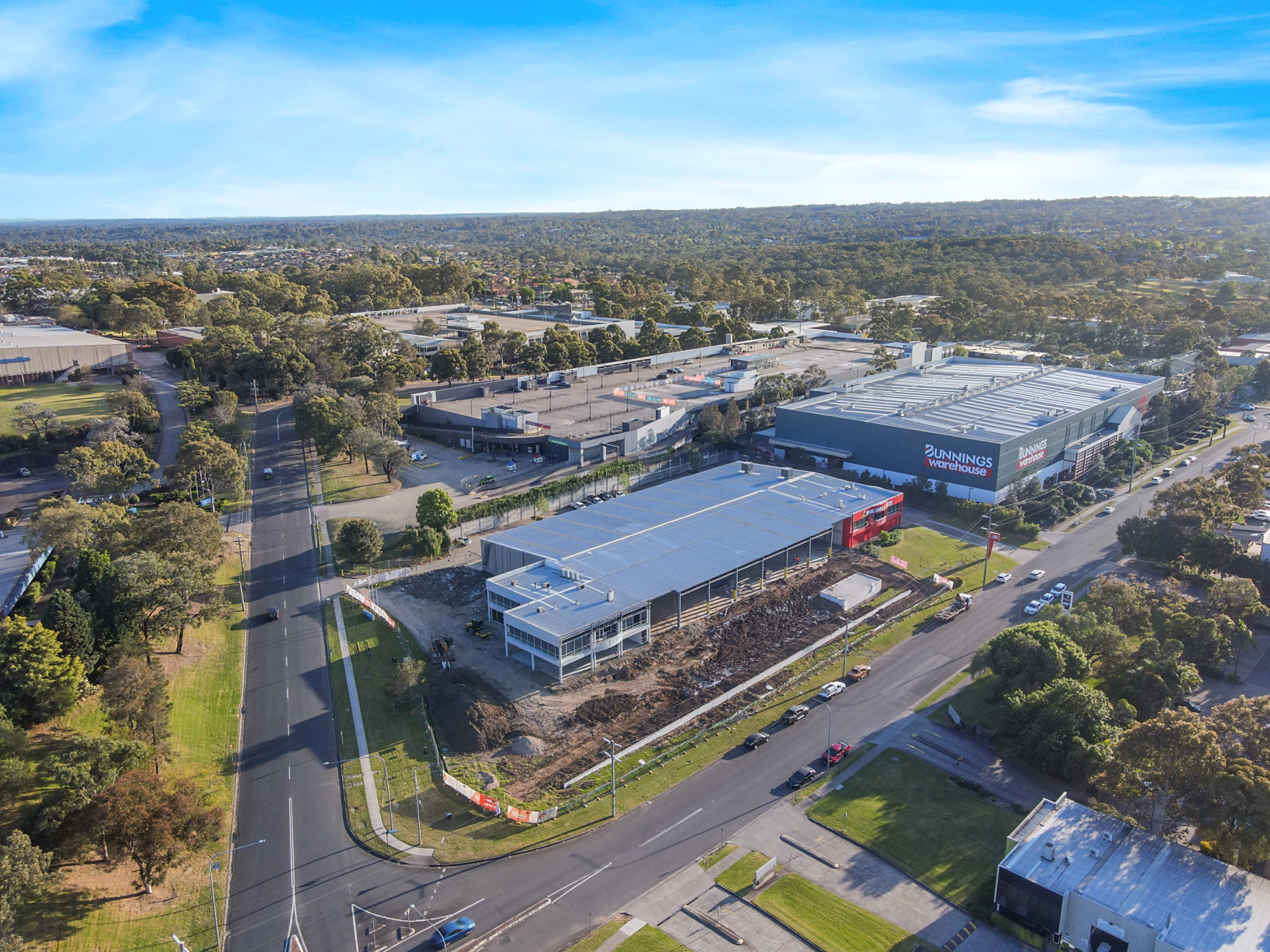
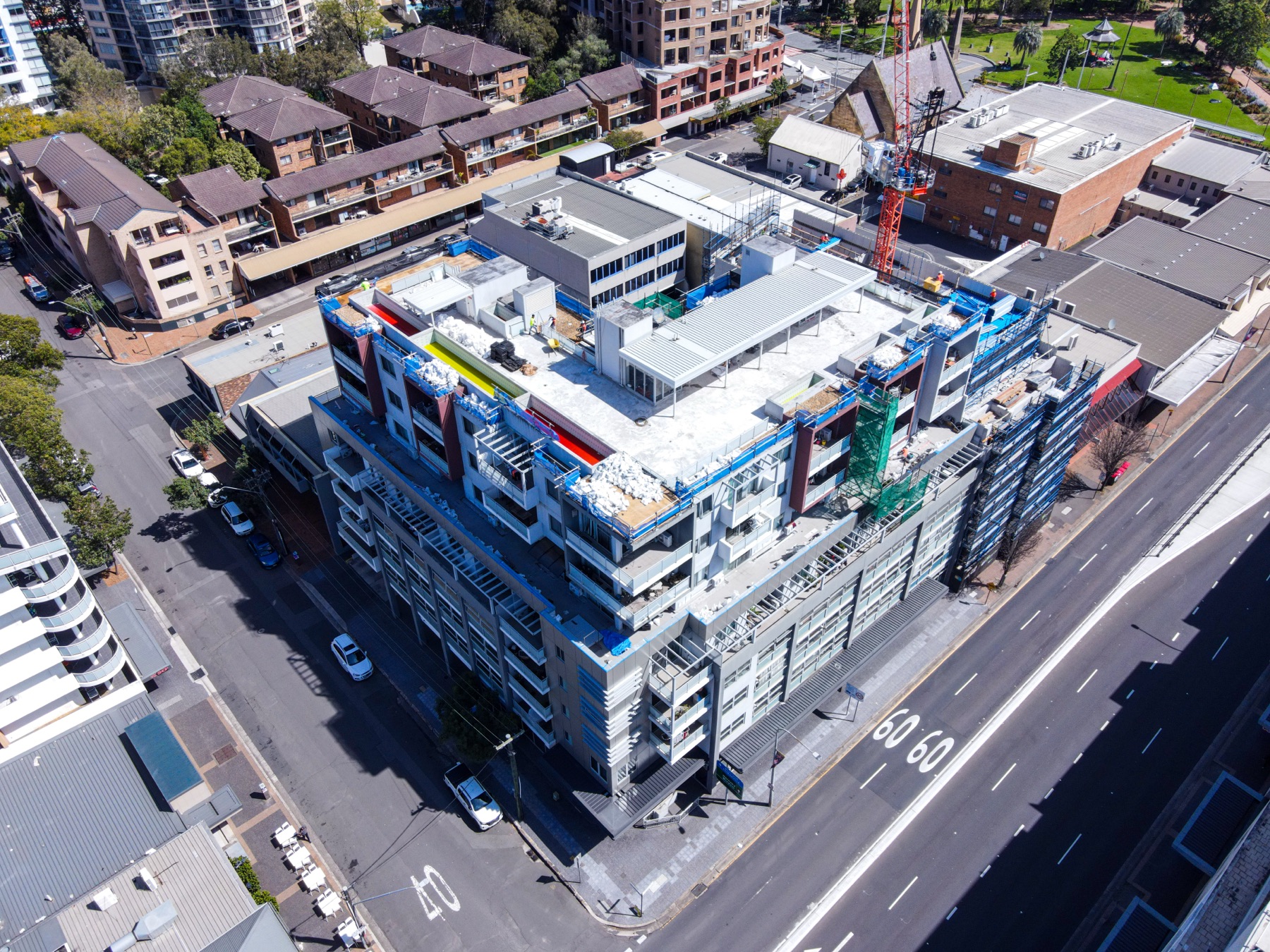
A demolition site, a scaffolded apartment block, a multi-site build, none of it reads properly from
the ground. Aerial photography shows a project against its surroundings: the street it sits on, the
neighbouring properties, how far the site actually extends. That context is what makes a finished job
look impressive rather than just "done".
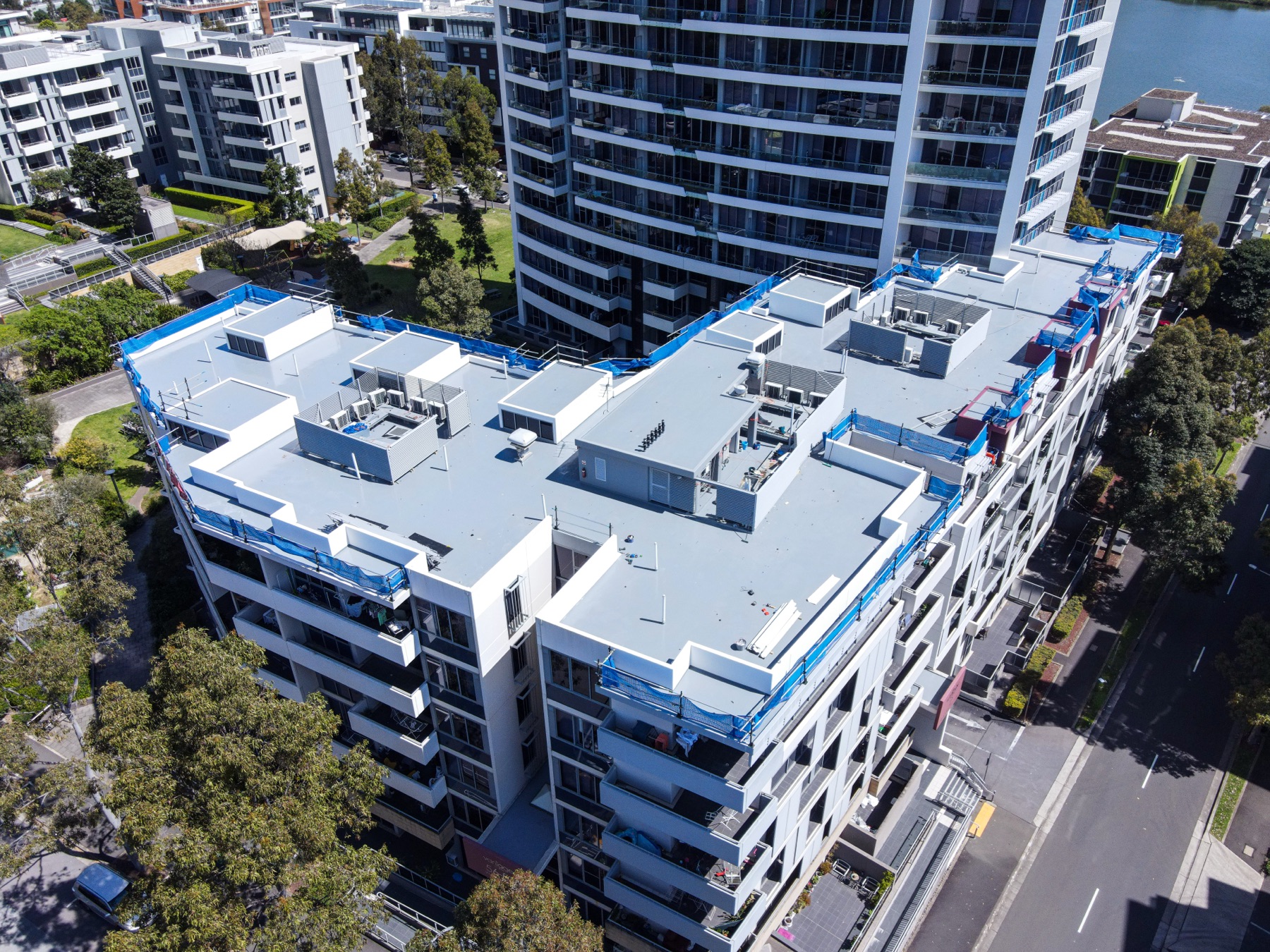
A demolition site in its setting, Castle HillRooftop edge protection in context, Rhodes
It's also the single most requested piece of content we shoot, because it's the fastest way to make a
completed project look as significant as the work that went into it.
Progress is provable, not just claimed
A before-and-after pair shot from directly overhead is hard to argue with. It's the difference between
telling a prospective client "we cleared the whole site" and showing them. For businesses running
longer builds, the same logic applies to progress visits: a monthly aerial pass creates a running
visual record that's genuinely useful internally as well as externally, on LinkedIn and social.
A recent example, a full demolition tracked purely from the air, West Ryde, NSW. See the full project →
"Aerial content reads as more considered than a phone photo, and audiences respond to that."
It's a credibility signal, not just a nice shot
It signals a business that takes its own work seriously enough to document it properly, which
matters more than it should when a prospective client is scrolling a company's socials trying to
decide whether to call. It's also genuinely good for how content performs: search engines and
social platforms both favour video and high-quality imagery that holds attention longer than a
static post.
Where it fits in a marketing plan
Aerial content works best as part of a spread, not a one-off. A single drone package on a finished
project, paired with a few site visits during the build and some ground-level content days, gives a
trade or construction business a genuinely varied library to post from instead of the same three
photos on rotation.