The short version: vertical (9:16) is built for phones and dominates Instagram, TikTok and Facebook Reels. Horizontal (16:9) is built for screens and still leads on YouTube, websites and, mostly, LinkedIn. The honest answer for most businesses is that they need both, which is why every job we shoot gets planned around the platforms it's actually going to. Framing a shot for both formats from the start is far cheaper than reshooting later.
Social
A Simple Guide to Vertical vs Horizontal Video
"Should this be vertical or horizontal?" is a question worth asking before the camera comes out, not after. Here's how to think about it.
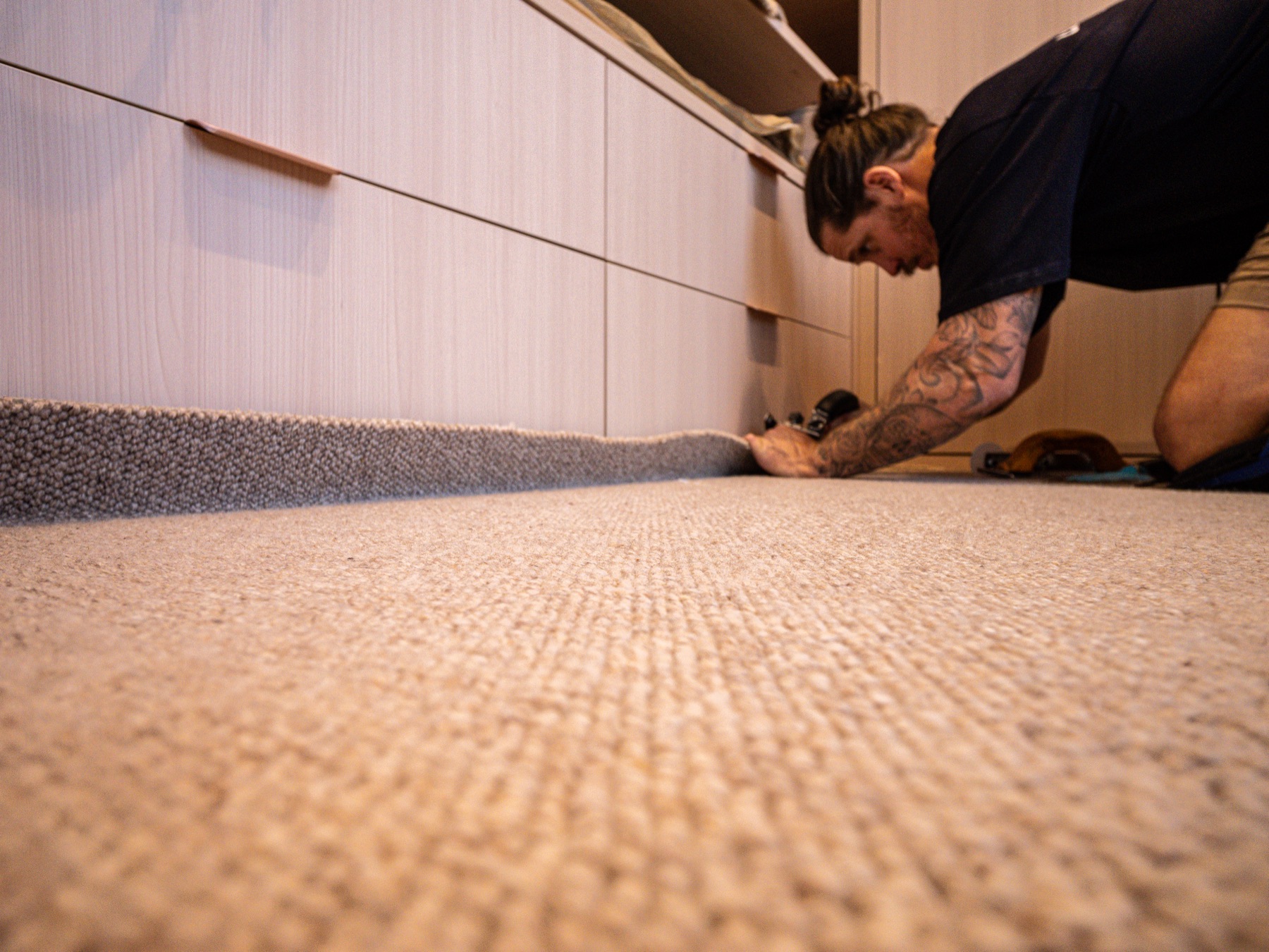
Vertical, 1080×1920, 9:16. Both platforms are built around full-screen mobile video and will crop or letterbox anything shot horizontally, which is why footage for these needs to be filmed vertical from the start, not cropped after the fact.
Vertical for Reels, matching Instagram and TikTok. Standard Facebook feed posts perform reasonably in either format, but Reels is where most of the organic reach is now, so vertical is the safer default.
Horizontal still performs well here, LinkedIn's audience skews towards desktop viewing more than any other major platform, though vertical native video has been growing steadily in the feed too. For B2B trade and construction content, horizontal remains the safer primary format.
Horizontal, and ideally 4K rather than 1080p. A hero video or portfolio piece on a website is viewed on a much wider range of screen sizes than a phone feed, so a higher-resolution horizontal master gives more flexibility to crop or resize later without losing quality.
Depends entirely on where the ad runs, but most ad platforms now recommend testing multiple aspect ratios in the same campaign. Ad creative is also usually supplied with two separate audio tracks: a non-copyrighted one cleared for paid use, and a trending licensed track for organic posting, since ad platforms flag copyrighted music.

"Framing a shot for both formats from the start is far cheaper than reshooting later."
The practical fix: shoot for both from the start
On most jobs we frame the shot with both formats in mind from the first take, wide enough that it can be safely cropped to vertical, with the key subject centred rather than off to one side. It means one shoot produces usable footage for every platform a business actually posts to, instead of planning a separate shoot for each format.
Keep reading
How Much Footage Do You Actually Need for a 30‑Second Ad or Reel?
A tight 30 seconds needs a lot more raw coverage than the finished length suggests.
Why Short‑Form Video Beats Static Posts
A well-shot photo still has a place, but for reach and engagement, short-form video now does more of the heavy lifting.
Need content that works everywhere you post?
Tell us which platforms matter most and we'll plan the shoot around them.