Content Strategy
26 August 2026
Why Short-Form Video Beats Static Posts
A well-shot photo still has a place. But if the goal is reach, engagement or actually being remembered, the data on video versus static content isn't close.
Most trade and retail businesses I work with started their social presence with photos: a finished
job, a product shot, a team photo. It's the natural starting point, and it's not wrong. But if the
goal is growing an audience rather than just having a record of the work, the numbers behind video
versus static content make the direction pretty clear.
The reach gap is real
Across Instagram and Facebook, Reels and short-form video are consistently reported to reach a
significantly wider audience than static image posts, because both platforms actively prioritise
video in how content gets distributed beyond a business's existing followers. A static photo mostly
reaches people already following the account. Video gets pushed into a much bigger discovery feed.
43%
of all content consumed online is now video, the largest single share of any format
4.8×
more shares on average for video posts compared to static image posts
8.3×
the average reach of Facebook Reels compared to a standard photo post
It's what people actually want to see
It's not just a platform-algorithm effect either, audiences genuinely prefer it. Surveys on content
consumption consistently find that a majority of consumers, in some studies as high as 73%, say they'd
rather watch a short video to learn about a product or service than read a static post or scroll a
photo gallery. For a trade or construction business, that preference matters more than it seems: the
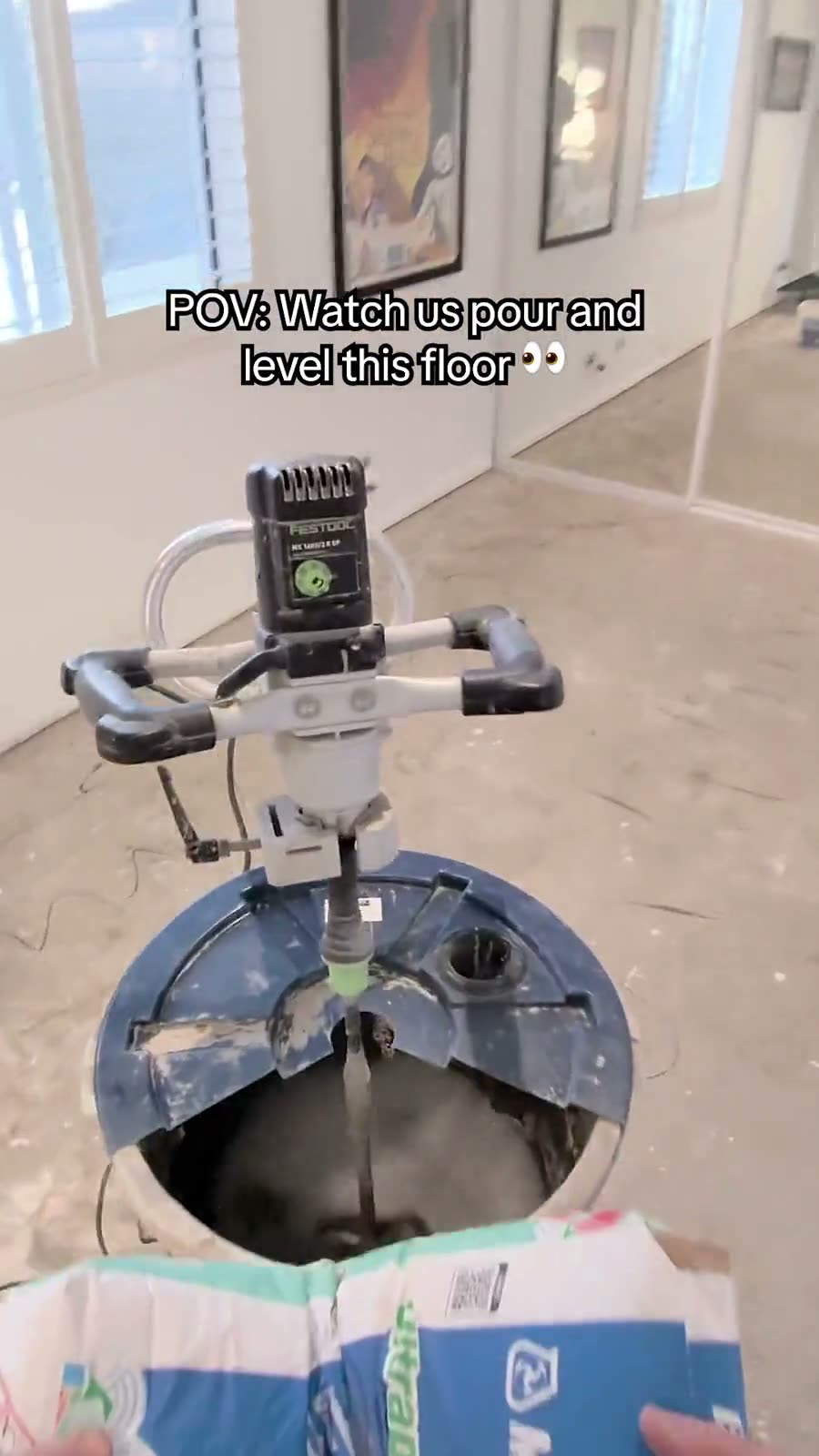
difference between someone scrolling past a static "job complete" photo and stopping to watch a
15-second video of the actual work happening.
"The difference between someone scrolling past a static post and stopping to watch a 15-second video is the whole game."
Where photos still earn their place
None of this means static photos are pointless. A strong photo is still the fastest way to show a
finished result, still works better as a portfolio piece, and is quicker and cheaper to produce for
quick updates. The point isn't to drop photography, it's to stop treating it as the default and video
as the extra. For most trade and construction businesses now, the mix should run the other way: video
carrying the bulk of the content plan, with photography filling in the gaps.