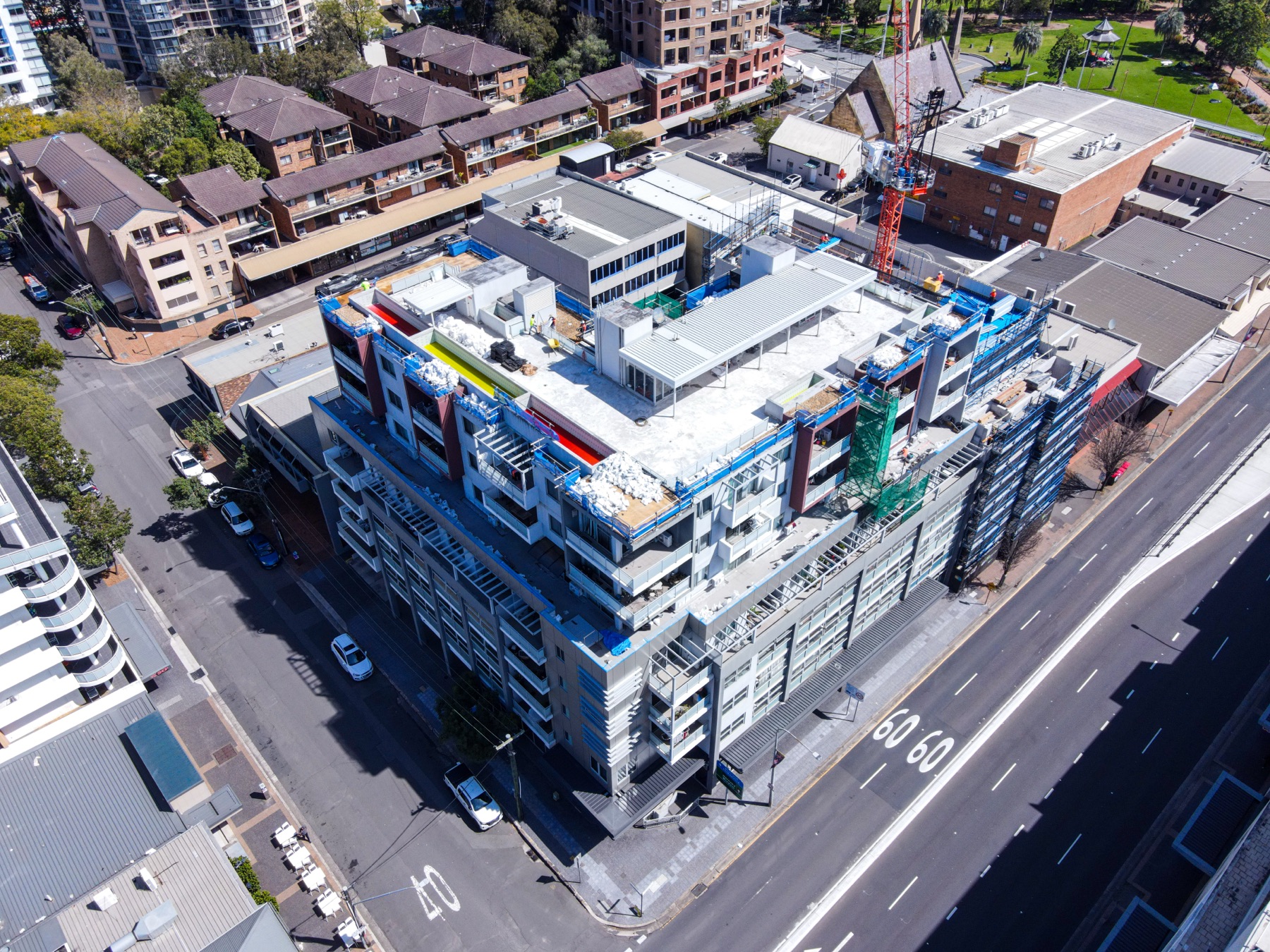
A lot of people assume commercial drone photography needs a full aviation licence, something like getting a pilot's certificate. In Australia, that's not the case for the vast majority of site and construction photography. CASA (the Civil Aviation Safety Authority) runs a tiered system based on drone weight and how it's being used, and most of what we shoot falls under what's called the sub-2kg excluded category, no Remote Pilot Licence (RePL) or Remote Operator Certificate (ReOC) required, provided the operator holds current accreditation and flies within a set of standard conditions.
What "excluded category" actually means
It doesn't mean unregulated. Flying a drone under 2kg for business use in Australia still requires the operator to hold an RPA Operator Accreditation (a free, CASA-issued course), register the aircraft, and notify CASA of the intent to fly commercially in this category. What it excludes you from is the full RePL and ReOC process required for larger drones or more complex commercial operations. CASA's own breakdown of the weight categories and what each one requires is public, worth a read if you're weighing up doing this yourself: casa.gov.au/drones/rules/sub2kg.
The standard operating conditions that come with it
Flying in the excluded category means sticking to a fixed set of conditions on every job: staying within visual line of sight at all times, daylight hours only, a maximum height of 120 metres above ground level, at least 30 metres from anyone not directly involved in the operation, a minimum of 5.5 kilometres from any airport, one drone in the air at a time, and avoiding flying directly over populous areas. In practice, this shapes how a site visit gets planned well before the drone leaves the ground, confirming the flight path is clear of neighbouring properties and bystanders, checking the site's proximity to any aerodrome, and timing the flight around what's actually happening on site that day.
When a job needs more than this
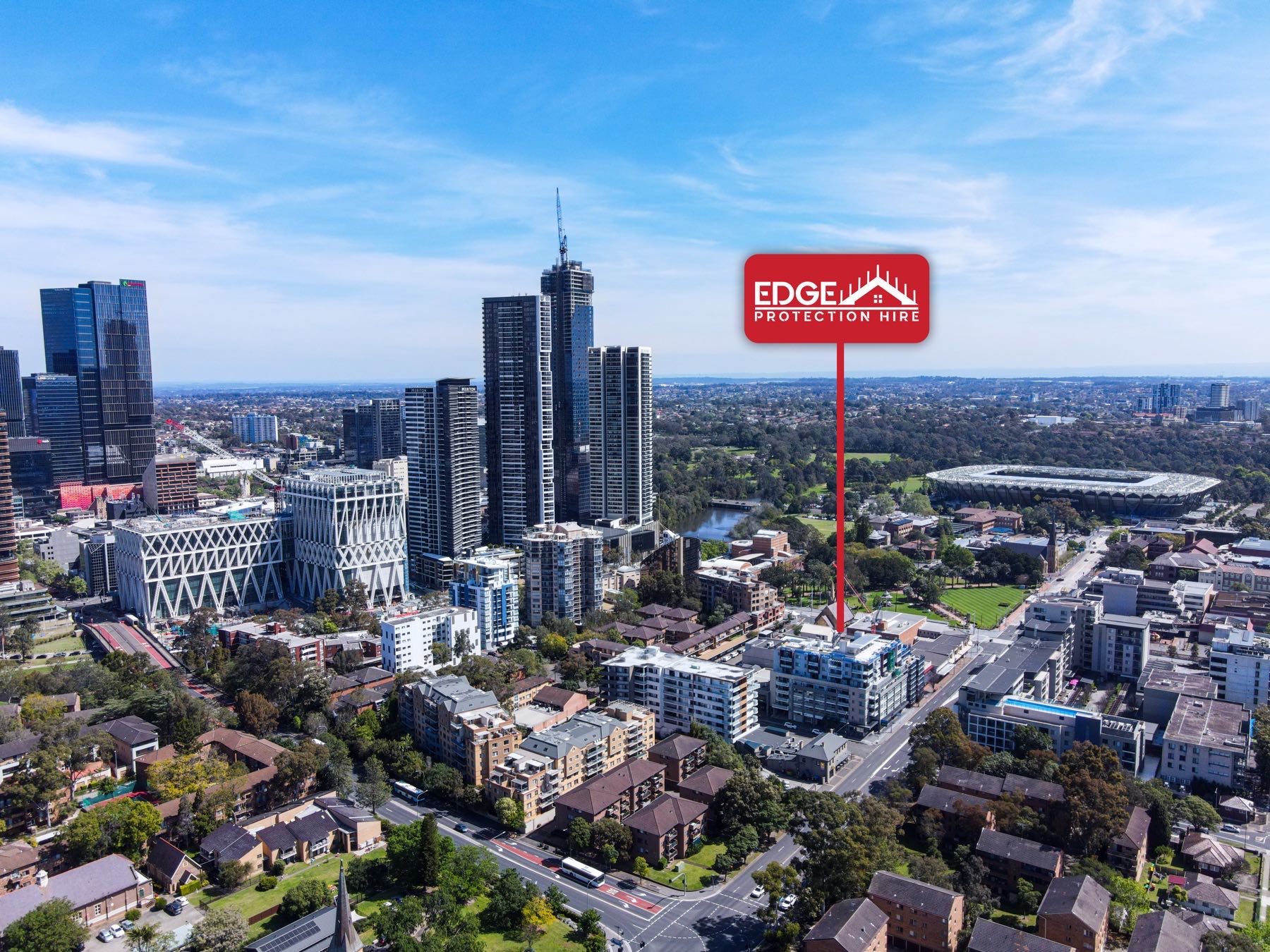
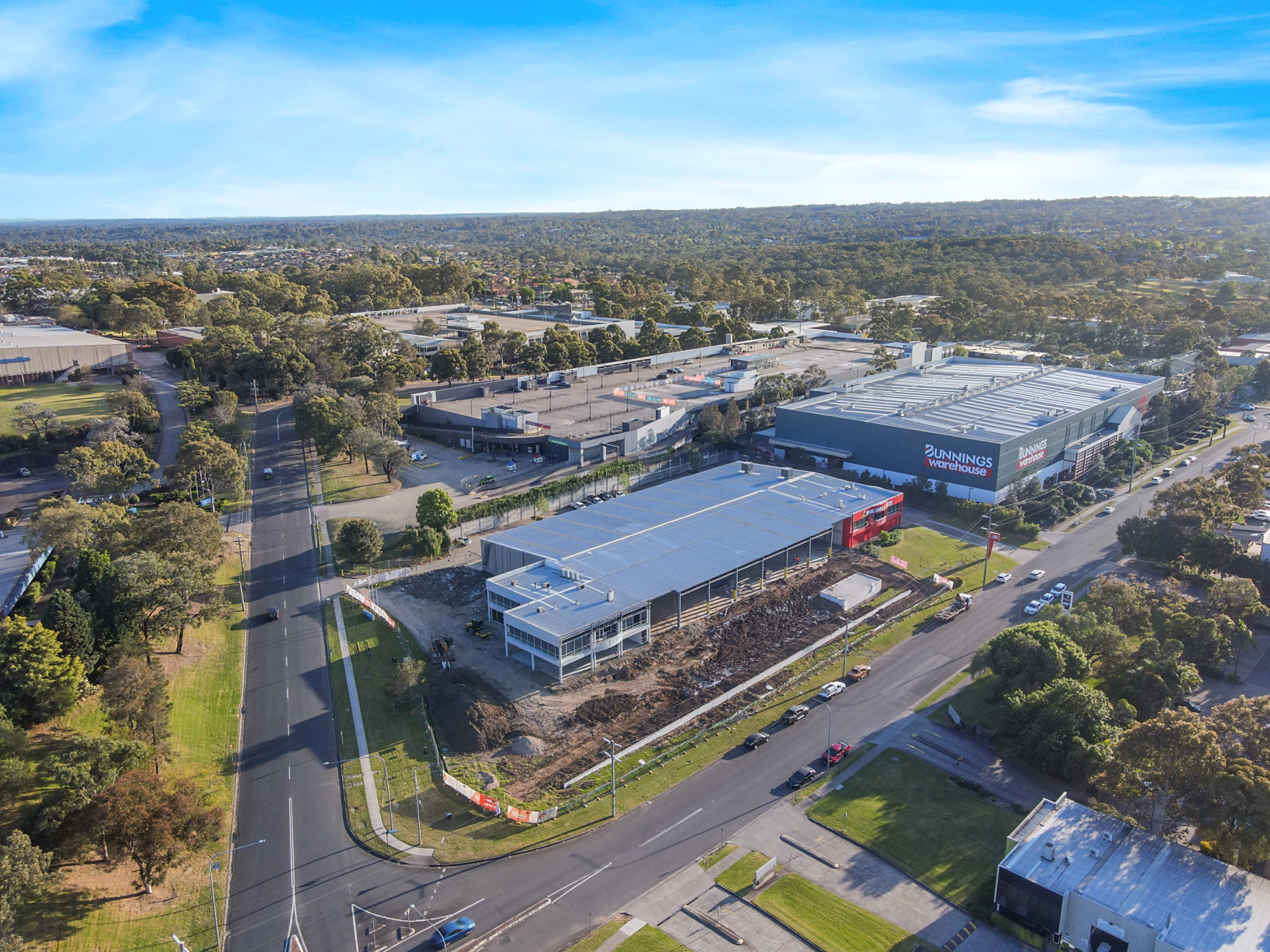
Most of what we shoot, aerial stills and video of construction, demolition and scaffolding sites, sits comfortably within these conditions. Where it doesn't, flying at night, operating beyond visual line of sight, or working inside controlled airspace close to an airport, that's a different category of operation entirely, requiring a RePL and often a ReOC. If a job needs that, we'll say so upfront rather than attempt it under the wrong category.